Selecting the Right Cat Shampoo: A Guide for 2026
Selecting a shampoo for a cat involves more than grabbing a bottle off the shelf; it requires matching the product to the animal's specific needs, temperament, and any skin conditions. With a wide array of options on the market, from waterless sprays to medicated formulas, owners must weigh factors like ingredients, pH balance, and the cat's tolerance for bathing. The following guide breaks down several popular choices, focusing on their intended uses and key characteristics, based on product descriptions and veterinary insights.
One of the most significant considerations is the pH balance of the shampoo. Cats naturally have a higher skin pH than humans, and using a shampoo with a more acidic formula can lead to skin irritation, especially with repeated use. As veterinarian Stregowski notes, “It could lead to skin issues if a cat has sensitivity and if you're repeatedly bathing them in a shampoo that has a little more acidity than their skin.” This makes pH-balanced formulas a priority for many owners.
Waterless Options and Gentle Formulas
For cats that resist water, waterless shampoos offer a practical alternative. Burt's Bees Waterless Shampoo for Cats, for instance, is a spray that allows for cleaning without a full bath. It is pH-balanced, free from sulfates, parabens, and added fragrances, and has a mild scent from natural ingredients like apple and honey. This product is often recommended for elderly cats or those that are not adept at self-grooming. However, it may not be sufficient for heavy soiling, such as mud or feces.
Another gentle option is Burt's Bees Natural Tearless Shampoo with Buttermilk, which is designed for kittens. This formula is 99.7% natural, free of sulfates and parabens, and tear-free. Unlike the waterless spray, this is a traditional shampoo that requires wetting the cat, lathering, and rinsing, which can be challenging depending on the cat's disposition.
Addressing Odor, Fleas, and Allergies
For owners dealing with persistent odor, Arm and Hammer's 2-in-1 Dander & Odor Control Shampoo uses baking soda to combat smells and reduce dander, which can be beneficial for allergy sufferers. This option is more affordable and comes in larger sizes, but it contains sodium laureth sulfate, which may cause skin irritation with prolonged exposure. It is recommended to use this product sparingly, as frequent bathing is not advised.
When fleas are the primary concern, Adams Plus Flea & Tick Foaming Shampoo is a targeted solution. It contains aloe and oatmeal to soothe the skin, but also includes stronger chemicals to address fleas. It is important to note that this shampoo is not a complete flea solution; the source of the fleas, often in the environment, must also be addressed. Veterinary consultation is advised before using any flea treatment.
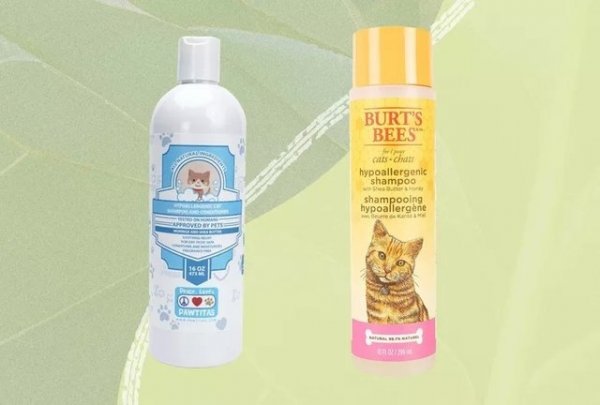
For cats with sensitive or hypoallergenic skin, Burt's Bees Hypoallergenic Cat Shampoo is a fragrance-free option that avoids sulfates, harsh chemicals, and colorants. It is made with natural ingredients, though it contains about 0.3% artificial ingredients, and is pH-balanced for cats.
Specialty Wipes and Shedding Control
For quick spot cleaning, Nootie Waterless Shampoo Wipes are a convenient choice. These wipes are pH-balanced, alcohol-free, and contain aloe vera and oatmeal extract to soothe the skin. They come in a pack of 70 and are available in scents like Cherry Blossom, Cucumber Melon, and Sweet Pea & Vanilla. While fragrance-free products are generally preferred for cats due to their sensitive olfactory systems, these wipes are considered less overwhelming.
To manage shedding, FURminator deShedding Rinse-Free Cat Shampoo uses hydrolyzed plant proteins and omega fatty acids to improve coat health and reduce shedding. It lathers without water, making it easy to apply, and is available in unscented 8.5- and 16-ounce bottles.
Finally, for households with allergy sufferers, Allertech Anti-Allergen Pet Shampoo is formulated to remove allergens like dander from the cat's fur. It contains moisturizing agents that help reduce dander production. However, the ingredient list is vague, citing a “proprietary natural anti-allergen base,” which may be a concern for those who prefer full ingredient transparency. This shampoo is unscented and comes in a 16-ounce bottle.
In summary, the right cat shampoo depends on the specific needs of the cat, whether it's for odor control, flea prevention, or sensitive skin. Owners should always consider the cat's comfort and consult a veterinarian when in doubt, especially for products with active ingredients.
Choosing a cat shampoo requires matching the product to the cat's specific needs, from waterless sprays for reluctant bathers to formulas targeting odor, fleas, or allergies. This guide reviews several popular options, highlighting their ingredients, intended uses, and potential drawbacks to help owners make an informed decision.
Leave a Comment