Naming Your Cat? 75 Japanese-Inspired Ideas Rooted in Culture and Meaning
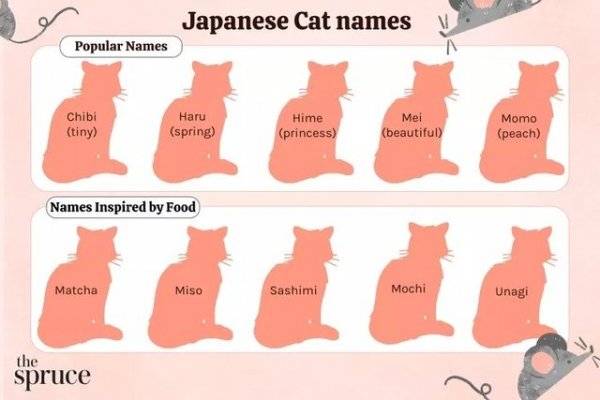
Choosing a name for a new cat often feels like a balancing act between originality and meaning. While many American households default to familiar monikers like Max, Tiger, or Kitty, a growing number of pet owners are turning to Japanese names, drawn by their melodic sound and the cultural significance attached to felines in Japan. A newly compiled list of 75 Japanese cat names, drawn from a survey by the Japanese website Iris Pet and other cultural references, offers a diverse range of options for cats of any gender, color, or personality.
In Japan, cats are not merely pets; they are revered as symbols of good luck and prosperity. This cultural backdrop adds a layer of depth to naming, where a name like Fuku (meaning lucky) or Hana (flower) carries a wish for the cat's well-being. The list, which includes popular choices from the Iris Pet survey, reflects common naming trends in Japan, with names like Azuki (sweet red beans), Chibi (tiny), and Maru (circle) topping the charts. These names, while simple, are rich in cultural texture, offering a window into Japanese daily life and aesthetics.
Gender-Specific Selections: From Warriors to Blossoms
For female cats, the list features names that evoke grace and beauty. Aiko (beloved one) and Emiko (smiling child) are gentle, affectionate choices, while Hayami (rare and unusual beauty) and Mizuki (beautiful moon) lean into more poetic imagery. Names like Kameko (tortoise-child) subtly reference longevity, a nod to the symbolic power of the tortoise in Japanese culture. Each name is not just a label but a blessing, a quiet hope for the cat's character and fate.
Male cat names often draw from themes of strength and virtue. Akihiko (shining prince) and Daichi (great first son) carry a sense of honor, while Kitaro (happy boy) and Taishiro (ambitious boy) offer a lighter, more playful tone. The inclusion of Takeo (warrior) and Ryuji (dragon man) reflects a traditional admiration for courage and mythical power. These names provide a spectrum from the sweet to the formidable, allowing owners to match the moniker to the cat's distinct personality.
Beyond Gender: Color and Food as Inspiration
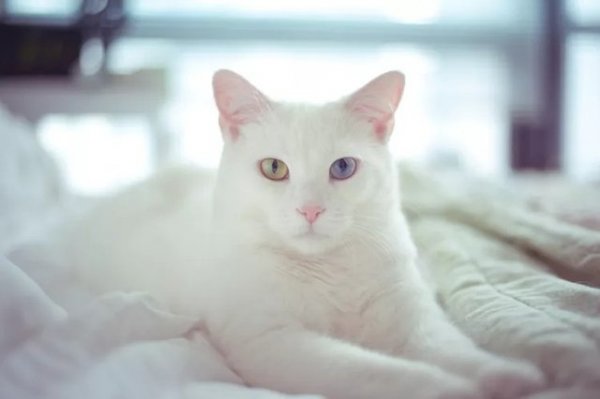
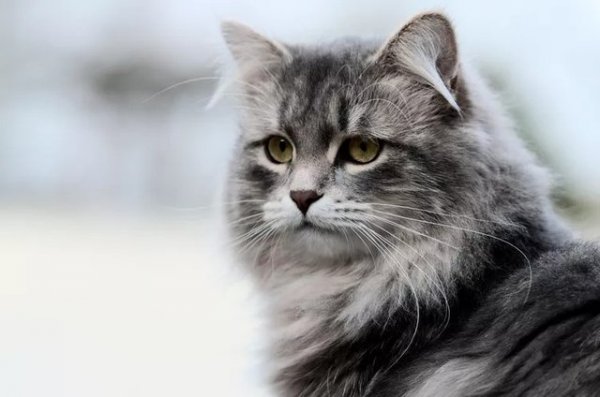
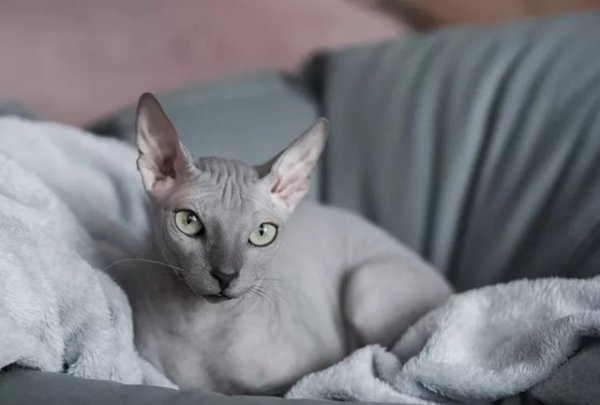
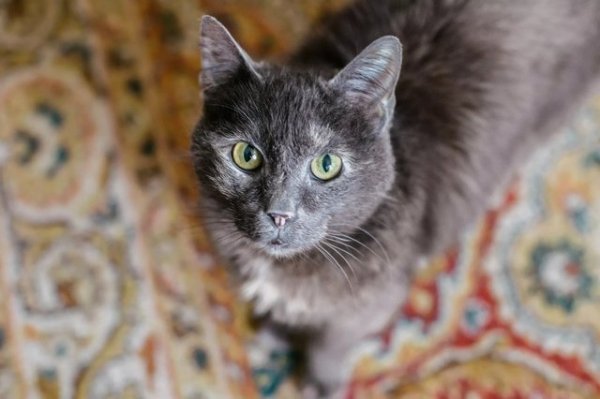
The list extends beyond gender-specific categories, offering names inspired by a cat's physical appearance. For a black cat, Kuro is a direct and striking choice, while Shiro suits a white feline. The color category includes a range of hues, from Akane (brilliant red) to Giniro (silver), and even Haiiro (gray), ensuring that a cat's coat can directly influence its name. This approach is both practical and personal, creating a name that is a constant reminder of the cat's unique visual identity.
Food-inspired names add a playful and affectionate dimension. Culinary terms like Matcha, Miso, and Sushi are not only recognizable but also evoke a sense of comfort and homeliness. Names such as Mochi (rice cake) and Udon (noodle) are particularly endearing for cats with soft, round features. This category allows owners to celebrate a favorite Japanese dish while giving their pet a name that is both distinctive and culturally resonant.
When selecting a name, experts suggest considering the cat's gender, color, and personality, but also emphasize the importance of choosing a name that is easy to pronounce and pleasing to the ear. The sheer volume of options can be overwhelming, but the list serves as a starting point, guiding owners toward a name that feels right. Whether drawn to the meaning or the sound, the process of naming a cat in the Japanese tradition is an act of care, reflecting the deep bond between human and animal.
For those still searching, the list includes a note that additional cat name ideas, such as unique female names and orange girl cat names, are available for further inspiration. The journey to finding the perfect name is personal, but with 75 culturally rich options, the path is well-marked.
A new list of 75 Japanese cat names, organized by gender, color, and food themes, offers pet owners culturally rich alternatives to common Western names. The names reflect Japan's reverence for cats and their symbolic ties to luck and fortune. This guide helps cat owners find a meaningful and pronounceable name for their feline companion.







Leave a Comment