Cat Owners' Guide to Brushes: 2026 Hands-On Tests
For cat owners, grooming is more than a beauty routine—it's a health measure that reduces shedding, prevents mats, and strengthens the bond with their pet. In 2026, the market offers a wide range of brushes, but not all are created equal. Our editorial team put seven popular grooming tools to the test with real felines, observing not only their effectiveness but also the cats' reactions.
We evaluated each brush on criteria such as ease of use, cleaning convenience, and how well it handled different coat types. The cats, ranging from a senior with reduced self-grooming ability to a skittish young feline, provided honest feedback through their behavior—purring, rolling over, or walking away.
Boar Bristle for Gentle Daily Care
For weekly maintenance, the Mars Coat King Boar Bristle brush stood out for its gentle touch. Its soft bristles, set in a lightweight birchwood handle, glide through fur of all lengths without irritating sensitive skin. This brush proved particularly useful for a senior cat that struggles with self-grooming, as it collected dry skin flakes and loose hair effectively. However, it was not designed for tackling large knots, so owners should pair it with a dematting tool for severe tangles.
Electrostatic Shedding Solution
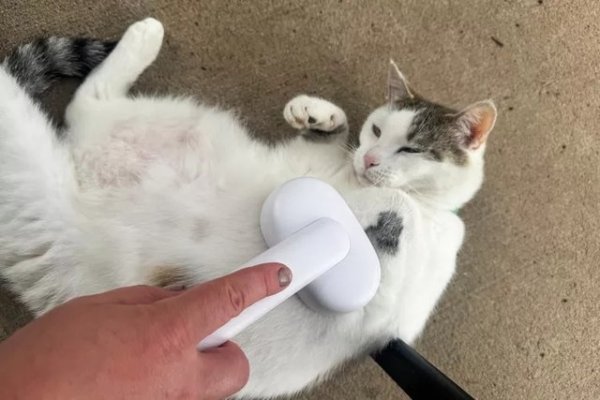
The FURminator Dog & Cat Brush uses uniquely spaced bristles on two sides to create an electrostatic charge that attracts and holds hair, dirt, and dander. Our test cat responded enthusiastically, purring loudly and rolling onto her back—a sign of trust. The rubbery bristles provided firm resistance without pulling, and the slim handle made it easy to reach all body parts. The main drawback was cleanup: hair tended to fly during grooming, and the brush lacked a release button, requiring a rinse under water to remove trapped fur.
Slicker Brush for Mat Prevention
For cats prone to mats, the Hertzko Self-Cleaning Slicker Brush proved a reliable preventive tool. Its curved, flexible wire bristles reach beneath the topcoat to remove dander and loose hair without scratching the skin. The self-cleaning button retracts the bristles, releasing collected hair in one motion—a feature that saves time and effort. The brush's wide head (nearly six inches) covers large areas efficiently, and the non-slip handle reduces wrist strain during longer sessions.
Eco-Friendly Double-Sided Option
Burt's Bees for Cats offers a 2-in-1 brush with a soft hemp bristle side for daily use and a firm pin side for detangling. Our test cats enjoyed the pin side on their underbellies and the bristle side on their faces and necks. The brush is made from bamboo and recycled materials, appealing to environmentally conscious owners. We found that brushing in the direction of fur growth was most comfortable for the cats.
Self-Cleaning Ease
The Aumuca Cat Brush impressed with its one-hand release button that ejects accumulated hair in a satisfying clump. The bristles are firm but not stiff, moving smoothly through the coat. However, the brush head is slightly wide for small cats' faces and legs, making it better suited for medium to large felines. The handle includes a loop for hanging storage.
Dematting Rake for Thick Fur
For severe mats, the Maxpower Planet Pet Grooming Brush features two sides: one with 9 arched stainless steel teeth for dematting and another with 17 for deshedding. The 17-tooth side pulled out noticeably more hair during testing. The brush worked well on the body's thicker fur but struggled on the head and legs due to its less gentle metal bristles. It required some practice to find the right angle, but once mastered, it effectively removed mats and reduced vacuum cleaner hair collection.
Glove for Sensitive Cats
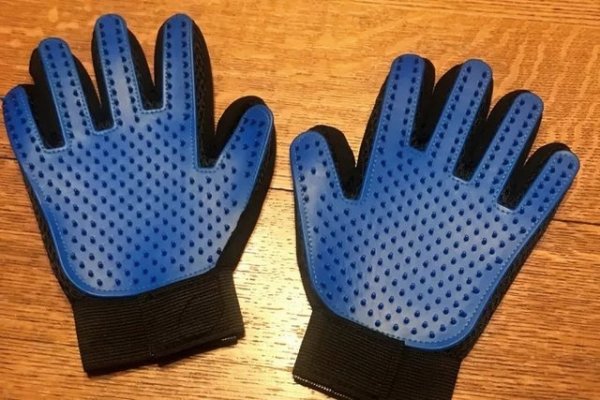
For felines that shy away from traditional brushes, HandsOn All-In-One Grooming Gloves offer a different approach. The stretchy, form-fitting gloves have rubbery nubs that massage the skin and remove loose hair. Our test cat loved rubbing her face and chin against the nubs and appeared sleeker after grooming. The downside was messy cleanup, as hair clung to the glove surface rather than forming a neat clump.
Choosing the right brush depends on your cat's coat type, temperament, and your grooming routine. A soft boar bristle brush suits weekly maintenance, while a slicker brush is essential for mat-prone cats. For heavy shedders, the electrostatic FURminator is effective, but be prepared for flying fur. Gloves offer a gentle alternative for sensitive cats, though they require more effort to clean. Ultimately, the best brush is one that your cat tolerates and that you will use consistently.
In 2026, choosing the right cat brush matters for coat health and shedding control. Our hands-on testing of seven grooming tools reveals which brushes suit different needs, from daily maintenance to dematting, with real feline feedback.


Leave a Comment