Choosing the Right Cat Door: A Buyer's Guide for Every Household
When it comes to giving your cat the freedom to move indoors and out, the market offers a wide range of cat doors, each designed with specific features and installation requirements. From simple magnetic flaps to high-tech microchip-activated entries, choosing the right one depends on your cat's size, your home's structure, and your security needs. This guide breaks down the key considerations and highlights several popular models.
Understanding Cat Door Sizing and Security
One of the first decisions is whether the door will be used on an interior or exterior wall. For interior doors, such as those leading to a laundry room or a bedroom, a lightweight PVC model like The Kitty Pass Interior Cat Door is designed for cats up to 20 pounds. Its simple cat-head silhouette adds a whimsical touch, and it fits doors between 1.25 and 1.75 inches thick. Installation requires a jigsaw to cut the circular template, but the frame is paintable to match your décor.
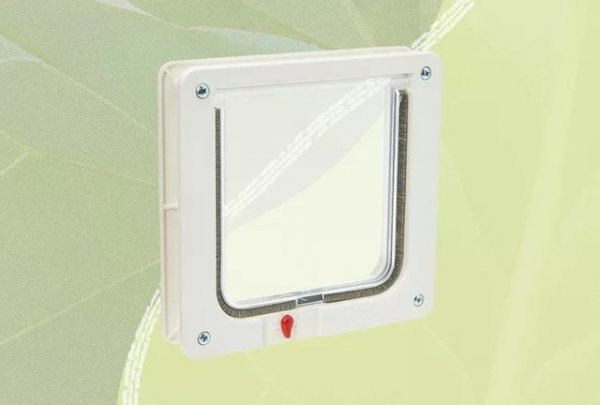
For exterior doors, weather resistance and security become paramount. The Cat Mate Locking Cat Flap, a top pick for overall performance, features a four-way locking system—open, in-only, out-only, and locked—controlled by a sliding tab. It includes a trimmable 2-inch door liner for easy installation on various surfaces, and its magnetic closure, exterior rain seal, and brush strip help keep out cold air and moisture. The flap operates silently, a feature many cats and owners appreciate. However, its 6.5 x 6.87-inch entrance is best suited for small to medium cats; larger felines may need a bigger option.
Balancing Durability and Convenience
For households on a budget, the Ideal Pet Products Cat Flap Door offers a durable Lexan polycarbonate construction and a telescoping frame that fits doors from 1.25 to 1.75 inches thick. Its four-way locking mechanism and magnetic self-closing flap provide basic security, and it's designed for cats up to 12 pounds. For those with larger pets, the brand also offers a “Hefty Kat” version.
If you prefer not to cut into your door at all, the Neobay Cat Door Latch with Stabilizer is a zero-installation solution. This device hooks onto a doorknob and frame, allowing you to prop the door open anywhere from 1.5 to 6 inches using one of seven holes. Made of nylon and stainless steel, it prevents the door from slamming shut and is easily removed when not in use.
For sliding glass doors, the PetSafe Freedom Aluminum Sliding Glass Pet Door is a practical choice. Constructed with aluminum and tempered glass, it's weather- and shatter-resistant. The tinted vinyl flap has a magnetic latch and is replaceable. Installation involves a few screws, but it's relatively unobtrusive, making it a good option for renters.
Specialized Solutions for Specific Needs
Screen doors present a unique challenge, but the MYPIN Reinforced Cat Screen Door offers a full-screen solution. Made of alloy steel, it can withstand cat claws and installs with included tape around the door frame. It's not a traditional cat door, but it allows airflow while keeping your cat contained.
For those who want to avoid a permanent hole, the Kitty Corner Cat Door uses patented hinge technology to create an accessway in hollow core doors. You can purchase a right- or left-side kit, cut a sliver at the corner, and screw in the metal hinge. The door can be left open or reattached for privacy.
For a more decorative option, the Puurfect Portal Cat Door Interior Door resembles a tiny dollhouse door, complete with plastic windows. It fits cats up to 20 pounds and comes in black, brown, or white. Installation is straightforward with a paper template and screws, and it features a small doorknob that can lock or prop the door open.
Finally, for pet owners concerned about security, the SureFlap Microchip Pet Door offers a high-tech solution. It can be programmed to recognize up to 32 different microchips or RFID collars, ensuring only your pets can enter. The door can be locked manually or set on a timed schedule, and it's made of glass, suitable for both small and large cats.
Each of these cat doors addresses a specific need, whether it's size, installation method, or security. By considering your cat's weight, your door type, and your comfort with DIY projects, you can find a solution that provides both convenience and peace of mind.
Selecting a cat door involves more than just cutting a hole; size, security, and installation method matter. This guide reviews various models, from basic flaps to microchip-controlled entries, helping pet owners match a door to their cat's size and their home's layout.






Leave a Comment