Kitten Development at 12 Weeks: Key Growth and Care Guide

At twelve weeks of age, kittens undergo a series of rapid transformations that set the stage for adulthood. From the emergence of adult eye color to the onset of teething, this period is pivotal for physical, behavioral, and social development. Understanding these milestones helps owners provide appropriate care, from vaccination schedules to nutrition and training.
During the third month, a kitten's baby teeth are fully present, but they soon begin to fall out as adult teeth push through. Owners may find tiny teeth around the house, though many are swallowed. Retained baby teeth that don't shed by six months may require veterinary extraction, often during spaying or neutering, to prevent dental issues. A typical kitten has 26 baby teeth and 30 adult teeth, making teething a prominent feature of this stage.
Another visible change is the eyes. The initial blue-gray hue of a kitten's eyes transitions to their permanent adult color by three months, unless the cat's genetics dictate otherwise. This shift is a normal part of maturation.
Behavioral Shifts and Socialization
As kittens grow, their sleep patterns change. They spend less time dozing and more time exploring, testing boundaries, and interacting with their environment. Between three and six months, kittens are particularly curious, using their mouths to investigate objects and engaging with littermates and other pets. Early socialization with their mother and siblings is crucial; without it, kittens may develop behavioral issues like aggression toward toys or food.
Teething drives much of this exploratory chewing. Kittens will gnaw on furniture, toys, and other items to ease the discomfort of emerging adult teeth. Redirecting this behavior to safe chew toys and kitten-proofing the home are essential to protect both the kitten and household belongings from damage.
Sexual maturity typically arrives around six months, though it varies by breed. Hormonal changes can lead to behaviors such as increased vocalization in females entering heat and heightened aggression in males. Spaying or neutering, usually performed around six months, helps prevent these hormone-driven behaviors and offers long-term health benefits.
Health and Nutrition Milestones
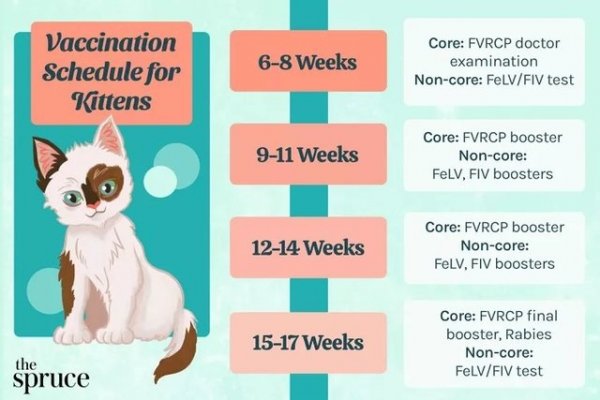
Vaccination is a cornerstone of kitten health. The first FVRCP shot is given at two months, with a second dose around three months, and the final FVRCP and rabies vaccines a month later. Your veterinarian may recommend additional vaccines based on lifestyle and exposure risks. The rabies vaccine is legally required, even for indoor-only cats.
Parasite prevention should begin as soon as the kitten is old enough or weighs enough. Discuss options for intestinal parasites, fleas, ticks, and heartworms with your vet, as these are typically administered monthly.
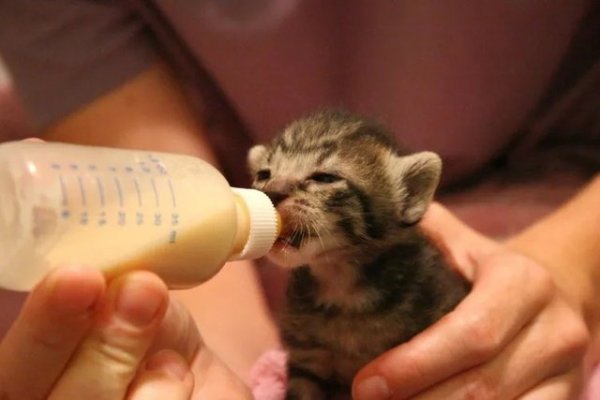
Nutritionally, kittens aged three to six months require AAFCO-approved kitten food to support rapid growth. This diet should continue until nine to twelve months of age. Portion control becomes important as kittens approach six months to prevent obesity. On average, a kitten needs about half a cup of dry kitten food daily, but exact amounts depend on calorie content and individual needs.
Training and Litter Box Habits
This period is also critical for training. Teaching a kitten its name, household boundaries, and acceptable play items using treats and praise can shape lifelong behavior. Litter box training is usually instinctive, but providing two easily accessible boxes in separate locations, especially on different floors, helps reinforce the habit.
By understanding and addressing these developmental milestones, owners can help their kittens transition smoothly into healthy, well-adjusted adult cats.
At three months, kittens undergo significant physical and behavioral changes, including teething, eye color shifts, and increased activity. This guide covers essential health care, training, and nutrition to support their growth into healthy adult cats.












Leave a Comment