How to Help Your Adult Cat Welcome a New Kitten
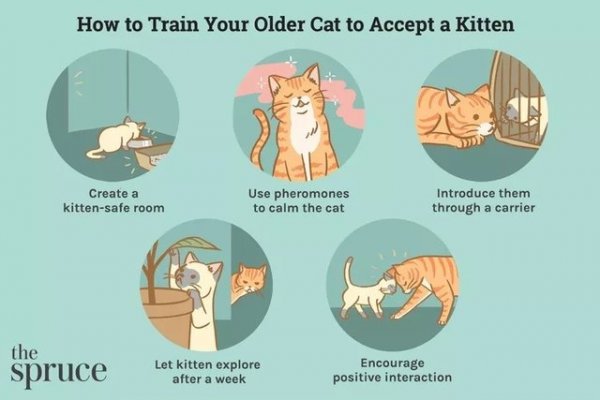
Bringing a new kitten into a home with an adult cat can unsettle the established pet, leading to hissing, withdrawal, or even changes in eating and litter habits. These reactions stem from a cat's natural resistance to changes in its territory. While some adult cats accept a newcomer quickly, most need a gradual, structured introduction to minimize stress and build a foundation for a peaceful coexistence.
Preparation begins weeks before the kitten arrives. One of the most effective tools is the use of synthetic pheromones, which mimic the calming facial pheromones cats produce. Available as diffusers, sprays, or wipes, these products can be introduced a few weeks ahead to create a relaxed atmosphere. For cats that may need extra support, nutritional supplements containing ingredients like L-theanine, Phellodendron, magnolia, or milk proteins can help maintain calm without sedation. However, it's essential to consult a veterinarian before starting any supplement, as not all products are equally effective.
Setting up the home in advance is equally important. About a week before the kitten arrives, place new food bowls, a bed, an additional litter box, and toys in designated areas. This allows the resident cat to become familiar with the scents and reduces the shock of sudden change. If possible, include items that carry the kitten's scent. Also, designate a small room, such as a bathroom, as the kitten's private retreat for the first week or so. The adult cat should be able to hear and smell the kitten through the door but not have direct contact.
Resource distribution plays a critical role in reducing territorial tension. Cats prefer not to cross paths when accessing food, water, or litter boxes. The rule of thumb is one litter box per cat, plus an extra, placed in different areas of the house. Similarly, food and water stations should be spread out. This setup helps prevent competition and the stress that comes with it.
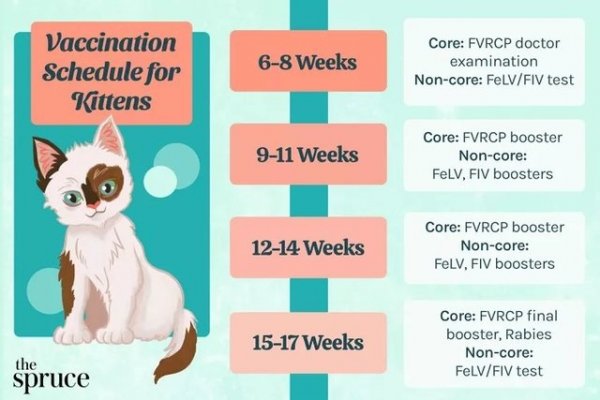
Before the introduction, a veterinary checkup for the adult cat is advisable. Ensuring vaccinations, especially rabies, are current is important, as kittens can carry respiratory diseases. Additionally, knowing the Feline Leukemia (FeLV) and Feline Immunodeficiency Virus (FIV) status of both cats is crucial to prevent disease transmission. Your vet can guide you on appropriate testing.
Introducing the Kitten
When bringing the kitten home, keep it in a carrier and allow the adult cat to sniff it. Then, take the kitten directly to its designated room, where food, water, litter, and toys are ready. Do not allow the adult cat immediate access. For the first week, keep the kitten confined to this room when you cannot supervise. The adult cat may approach the door, sniff, or even paw underneath, which is a positive sign of curiosity.
During this period, give extra attention to the adult cat. The scent of the kitten on your clothing can help it acclimate, but wash your hands between interactions to prevent infection spread. After about a week, allow the kitten to explore the house under your watchful eye, letting the adult cat observe and retreat as it wishes. Never force interaction.
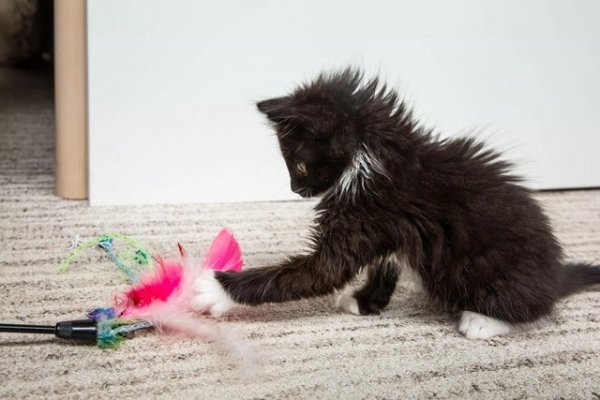
To encourage positive associations, engage both cats in parallel activities, such as playing with a feather wand or laser pointer, or offering treats and meals at the same time from separate bowls placed at a comfortable distance. Praise and reward the adult cat for any calm or friendly behavior toward the kitten.
It's normal for the adult cat to hiss or swat at the kitten as a way of setting boundaries. Unless the behavior becomes aggressive, it's best not to interfere. This is the adult cat teaching the kitten the house rules. With patience and gradual increases in supervised time together, most cats eventually learn to accept, if not befriend, their new companion. If aggression persists, consulting a veterinarian or a feline behavior specialist is recommended.
Introducing a new kitten to an adult cat often triggers stress-related behaviors like hissing, hiding, or litter box issues. This article outlines a step-by-step approach, from using pheromones and vet-approved supplements to gradual supervised meetings, to ease the transition and foster a peaceful household.










Leave a Comment