Kitten Development Timeline: 6 to 12 Week Changes
The period between six and twelve weeks of age is a critical developmental window for kittens, marked by rapid physical changes, emerging social behaviors, and essential health care needs. During this time, kittens transition from dependence on their mother to a more independent stage, preparing them for life in a new home.
At six weeks, a kitten's baby teeth begin to erupt, a process that is typically complete within a few weeks. This teething phase can make nursing uncomfortable for the mother cat, often leading her to gradually wean her litter. By twelve weeks, these temporary teeth start to fall out, making way for the adult set.
Physical and Sensory Development
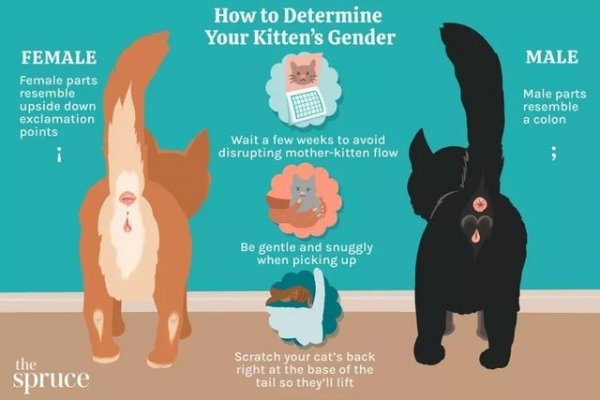
While a kitten's eyes and ears open earlier, at six weeks the eyes are still blue. Over the next couple of weeks, the eye color slowly transitions to its final adult shade, and vision and hearing are fully functional. Another notable physical milestone occurs at seven to eight weeks in male kittens, when the testicles descend and become palpable.
Until about six weeks, kittens rely on supplemental heat to maintain body temperature. After that, they can regulate their own temperature in a room-temperature environment, eliminating the need for heating pads or lamps.
Behavioral and Social Milestones
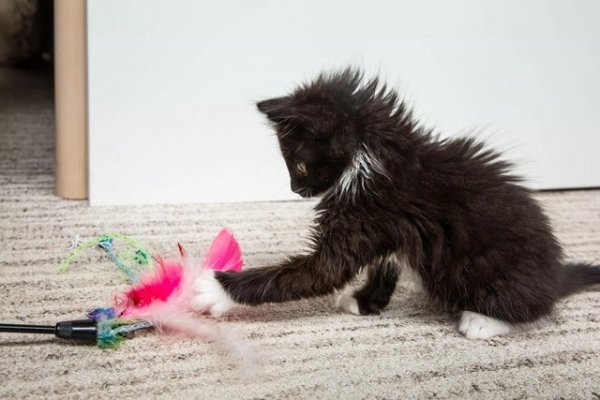
Between six and twelve weeks, kittens become increasingly active and social. They spend less time sleeping than newborns but still nap for more than half the day. Play with littermates and exploration of their surroundings are crucial for developing social skills and learning boundaries. Kittens that miss this socialization period may struggle with behavior as adults, potentially developing aggression or other issues.
Litter box training usually comes naturally when kittens observe their mother or littermates. By eight weeks, they can also begin learning their names through repetition and positive reinforcement, using treats, toys, or verbal praise as rewards.
Health and Veterinary Care
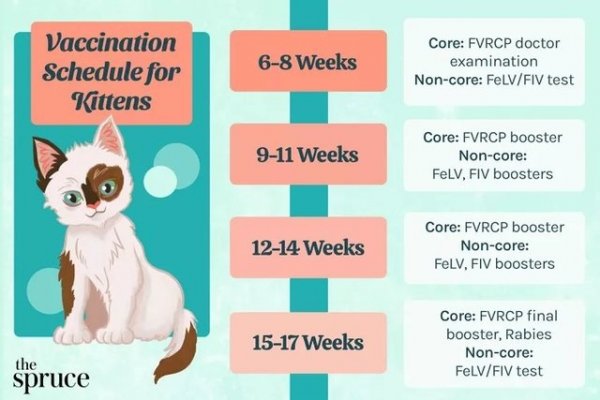
At around eight weeks, kittens should have their first veterinary check-up and receive the initial FVRCP vaccine, which protects against feline viral rhinotracheitis, calicivirus, and panleukopenia. Boosters are typically given three to four weeks later, around twelve weeks, and again at sixteen weeks.
Spaying or neutering may be performed between eight and twelve weeks, depending on the veterinarian's preference and the kitten's health. Some vets set a minimum weight or recommend waiting until six months. A preoperative blood screening is often advised to ensure the kitten is healthy for anesthesia and to establish a baseline for future tests.
Heartworm and flea prevention should be discussed with a veterinarian, as not all products are safe for young kittens. If fleas are present, a bath with dish soap is recommended, but flea shampoos, collars, or sprays should be avoided, and never use dog products on cats.
Nutrition and Weaning
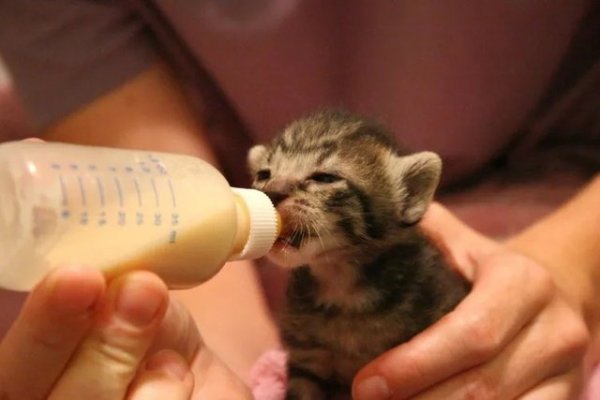
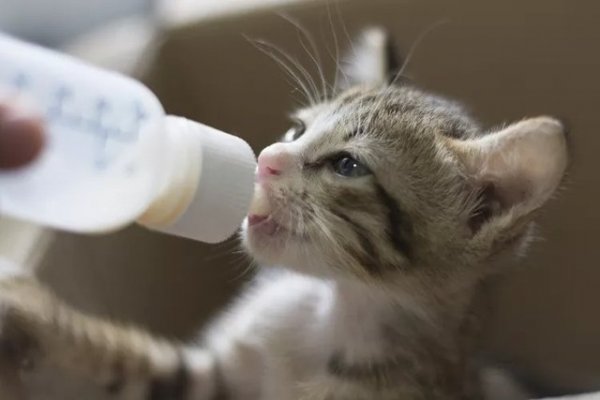
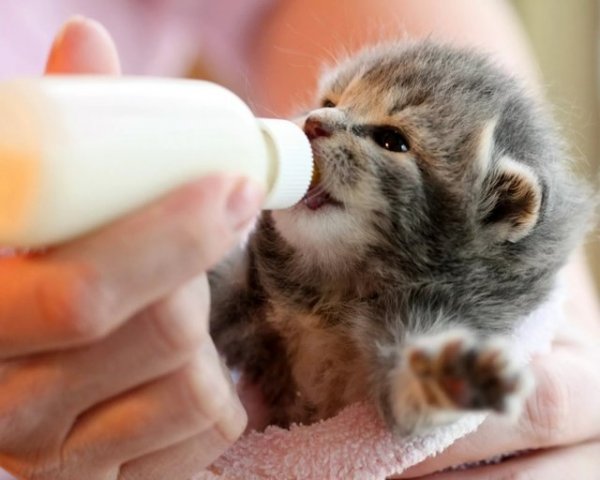
At six weeks, kittens are typically in the weaning process, transitioning from nursing to solid food. High-quality canned kitten food mixed with water forms a gruel that eases the transition, followed by dry kibble once the kitten is comfortable and has its baby teeth. By eight to ten weeks, kittens are usually fully weaned. At this age, there is no need to limit food intake, as kittens require ample nutrition for growth.
Between 6 and 12 weeks of age, kittens undergo rapid physical and behavioral changes, including teething, eye color shifts, and socialization. Proper care during this period, including vaccinations and nutrition, sets the foundation for a healthy adult cat.











Leave a Comment