How to Bathe a Kitten Safely: A Vet-Approved Routine
Bathing a kitten can be a daunting task, especially since most cats have an aversion to water. However, kittens often need a helping hand to stay clean, as their grooming skills are not yet fully developed. They are prone to getting food on their faces and may have litter box mishaps. This guide provides a safe, step-by-step approach to bathing your kitten, ensuring a positive experience for both of you.
Before you begin, it's important to understand that kittens require a gentle touch and a calm environment. The key is to introduce water gradually and use positive reinforcement, such as treats, to build trust. With patience and the right techniques, you can turn bath time into a manageable routine.
Gathering the Essentials
To ensure a smooth bathing session, have all your supplies ready before you start. You will need a sink, bathtub, or storage bin to serve as the bathing container. A small cup is essential for pouring water over your kitten, and a kitten-safe shampoo is crucial—look for a tearless formula specifically designed for felines. If kitten shampoo is unavailable, baby shampoo or gentle dish soap can be used as alternatives. Keep treats or canned kitten food on hand to distract your kitten if it becomes anxious, and have a soft, dry towel ready for drying off.
Getting Your Kitten Comfortable with Water
Unless you have a water-loving breed like a Bengal, you'll need to acclimate your kitten to water gradually. Start by wiping your kitten with a wet washcloth, offering treats to create a positive association. Once your kitten is comfortable with that, introduce a shallow pan of water, such as a cookie sheet, for it to stand in. Gradually combine the two methods, wiping your kitten while it stands in the water. If your kitten shows signs of stress, take a break and try again later. Some owners find behavioral supplements or pheromones helpful for anxious kittens.
Once your kitten is comfortable standing in shallow water, begin drizzling water from your hand over its back and head. Slowly progress to using a small cup, pouring water gently while petting and offering treats. This gradual introduction helps your kitten feel safe and ready for a full bath.
The Bathing Process
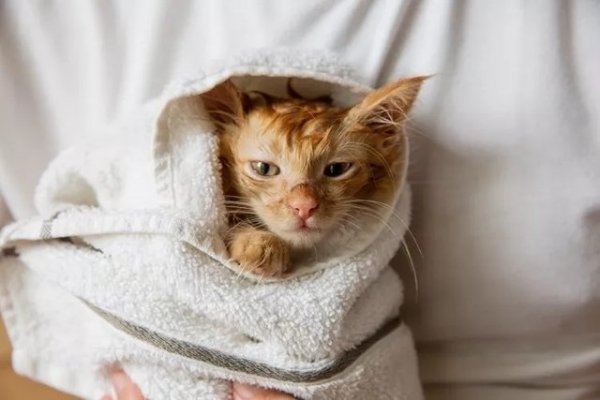
When your kitten is comfortable with water, fill the bathing container with a couple of inches of warm—not hot—water. The water should only reach up to its knees. Gently place your kitten in the water and use the cup to pour water over its body, starting from the hind end and working up to the head. Apply a dime-to-nickel-sized amount of kitten shampoo and massage it gently all over. Rinse thoroughly with the cup, then lift your kitten out and wrap it in a towel to dry. If needed, you can use a hairdryer on a warm or cool setting, but be cautious of the noise.
Keeping Your Kitten Calm
To keep bath time stress-free, avoid submerging your kitten or putting it under running water. If your kitten becomes scared, offer treats or take a break, wrapping it in a towel to help it feel secure. Work efficiently to prevent your kitten from getting cold, but don't rush to the point of stress. If your kitten remains resistant, consider using a waterless cat shampoo as an alternative to a traditional bath.
Bathing your kitten doesn't have to be a struggle. With the right preparation and a patient approach, you can keep your kitten clean and comfortable, strengthening your bond in the process.
Learn the safe, step-by-step process for bathing a kitten, from acclimating it to water to drying off. This guide covers supplies, techniques, and calming strategies to make bath time stress-free for both you and your pet.





Leave a Comment