Double the Kittens, Double the Benefits: Why Two Are Better Than One
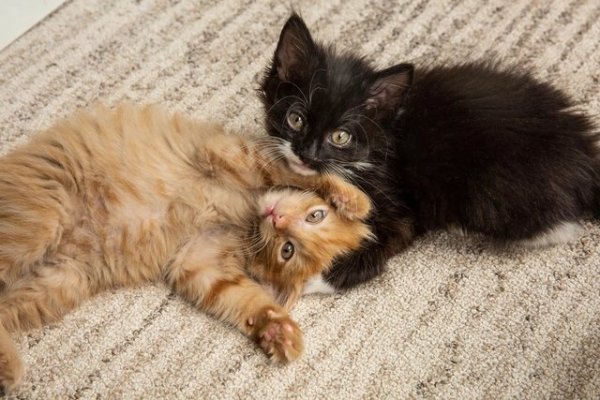
When considering adding a feline to the household, many prospective owners think in terms of one kitten. But animal behavior experts and shelter staff often point out that adopting two kittens together can be a more rewarding experience for both the pets and the owner. From reducing behavioral problems to simplifying training, the case for a pair is strong.
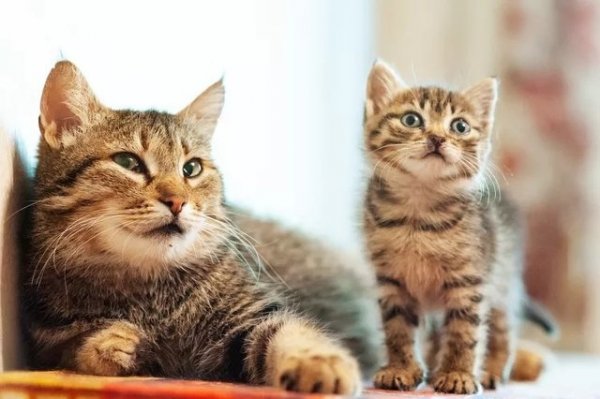
Kittens, despite their reputation for independence, are social creatures that thrive on interaction. Left alone for long stretches, they can become bored and lonely, which may lead to destructive behaviors. A second kitten provides constant companionship, allowing them to play, cuddle, and rest together while their owner is at work or busy with daily tasks. To ensure a good match, shelters recommend choosing littermates or kittens that have already bonded in the shelter environment.
Training and Exercise Benefits
One of the most practical advantages of adopting two kittens is the ease of training. Kittens learn by observing others, so when one kitten masters the litter box or grooming habits, the other often follows quickly. This "monkey see, monkey do" effect speeds up the learning process and reduces the owner's effort in correcting unwanted behaviors like nipping or scratching.
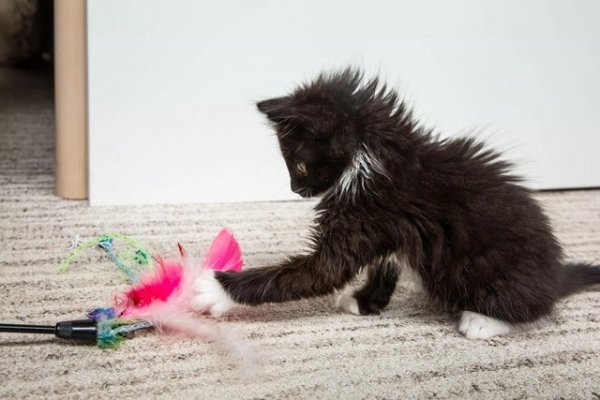
Physical activity is another area where a pair shines. Kittens have abundant energy that, if not channeled, can be directed at furniture or other household items. While an owner may not have hours to devote to play, two kittens will entertain each other, burning off excess energy through interactive play. This not only keeps them physically fit but also mentally stimulated, and it allows the owner to enjoy the antics from a comfortable distance.
Having a sibling can also help with a common feline issue: picky eating. A kitten that refuses a particular food may be persuaded to try it if she sees her sister eating it. This social influence can prevent the frustration and worry that come with a finicky eater.
Considerations for Existing Pets
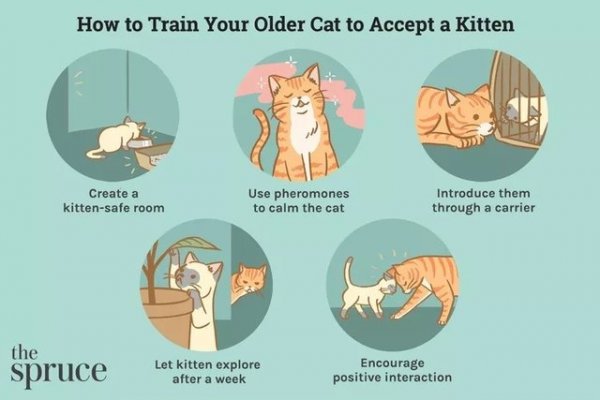
For households that already have an older cat, two kittens may actually be a better choice than one. A single kitten may see the older cat as a playmate and persistently pester her, causing stress and anxiety. With two kittens, they are more likely to entertain each other, leaving the older cat to observe in peace. Additionally, kittens groom each other, helping to reach spots that are difficult to self-clean, and they may develop a routine of grooming after meals or playtime.
Shelter Impact and Cost
Adopting two kittens also has a broader impact. By adopting a pair, you are saving two lives, which is especially significant given that many adult cats in shelters were once kittens that did not find homes. Adopting kittens frees up space and resources, allowing shelters to take in more animals in need. It also increases the chances of older cats being adopted, as they are no longer overlooked in favor of kittens.
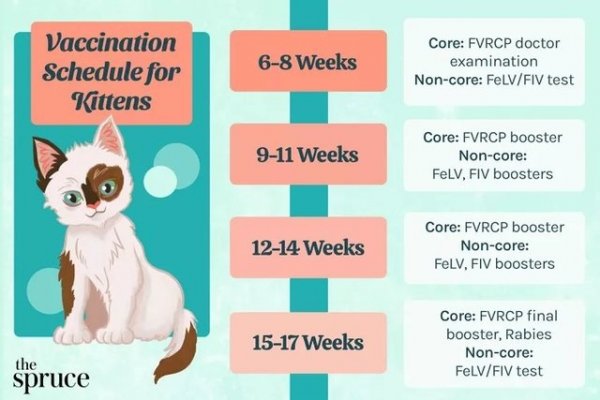
Contrary to what some might think, the financial burden of adopting two kittens is not double that of one. Apart from initial immunizations and deworming, the ongoing costs are similar, as kittens can share many supplies, including litter boxes, food and water dishes, toys, and beds. Some shelters even offer discounts on treatments when adopting a pair.
In summary, choosing two kittens over one can lead to a more harmonious household, easier training, and a greater positive impact on animal welfare, all for a modest increase in cost.
Adopting two kittens instead of one offers benefits for both the animals and their owner, from reducing loneliness and behavioral issues to easing training and saving more lives. Shelters often support pair adoptions, and the cost is only slightly higher than adopting a single kitten.
Leave a Comment