How to Tell a Kitten's Sex: Visual and Behavioral Clues
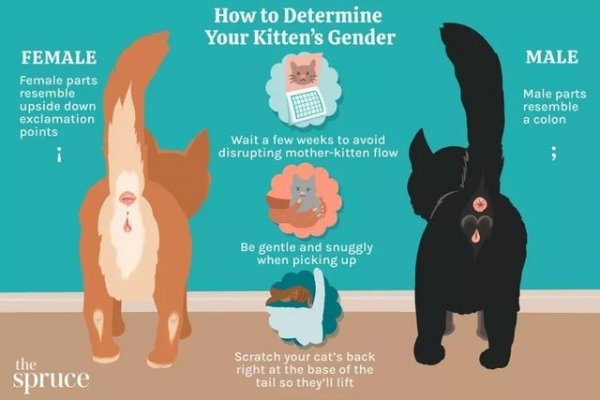
For new kitten owners, the question of whether they've brought home a Max or a Luna can be surprisingly tricky to answer. While a quick glance beneath the tail might seem sufficient, young kittens often present a challenge even for experienced eyes. The most reliable method involves examining the genital area, but timing and technique matter just as much as the observation itself.
According to breeders and veterinarians, the key is to wait at least two weeks before handling kittens for this purpose. During the first few weeks of life, excessive human contact can cause a mother cat to abandon her litter or stop nursing, so patience is essential. Once the kittens are old enough, a gentle inspection can reveal the telltale signs.
Reading the Signs Below the Tail
At around two weeks of age, the genitalia of kittens begin to take on distinct shapes that are often compared to punctuation marks. In females, the area below the anus resembles an upside-down exclamation point, with the vaginal slit sitting close to the anus. In males, the appearance is more like a colon, with the penis positioned slightly farther from the anus, leaving room for the testicles to develop. In some cases, you may even feel two small, hard, oval-shaped objects—the testes—if you gently palpate the area between the anus and the penis. These are almost impossible to hold onto, as they tend to retract, but their presence confirms the kitten is male.
While visual inspection is the most direct method, it's not the only one. Coat color can offer a strong clue, though it is not foolproof. Tortoiseshell and calico cats—those with patches of black, orange, and white—are almost always female, due to the chromosomal makeup that determines this coloration. On the other hand, orange or ginger cats are predominantly male, with about three-quarters of them being male. This trait is less reliable than the tri-color pattern, but it can still be a helpful indicator.
Behavioral Clues as Kittens Mature
As kittens grow, their personalities and behaviors begin to emerge, offering additional hints about their sex. Male kittens, often called "tom kittens," may start to roam more as they approach sexual maturity. They can also become territorial, sometimes spraying to mark their home base and ward off other cats. Restlessness and occasional aggression are also noted in some males.
Female kittens, sometimes as young as four months, may go into heat, which is marked by loud yowling and attention-seeking behavior. However, these gender-related behaviors can be minimized by early spaying or neutering. The standard recommendation is to spay or neuter at five to six months, though it can be done as early as six weeks. The earlier the procedure, the less likely the kitten will display these hormonal behaviors.
It's worth noting that while some people claim male cats are friendlier or more outgoing than females, such generalizations are far from universal. Cat personalities are as varied as human ones, and the best approach is to choose a pet based on the connection you feel during your first interaction, rather than relying on sex-based stereotypes.
In the end, whether you're naming your kitten Max or Luna, the process of determining its sex is a blend of careful observation, patience, and a bit of knowledge. By waiting until the kittens are old enough and using the visual and behavioral cues outlined above, you can make an informed guess—and enjoy the journey of getting to know your new feline companion.
Determining a kitten's sex isn't always straightforward, especially in the first weeks. This guide explains the visual cues (genital shape, coat color) and behavioral signs that emerge as kittens grow, while emphasizing the importance of waiting before handling newborns.

















Leave a Comment