Why Kittens Need 12-13 Weeks With Mom Before Adoption

The first months of a kitten's life are a critical period that shapes both its physical health and lifelong behavior. Veterinary guidance and feline behavior specialists agree that kittens should remain with their mother until they are 12 to 13 weeks old. This extended period allows for proper weaning, essential nutrient intake, and crucial social learning from the mother and littermates.
Weaning typically begins when kittens are around one month old. At this stage, the mother cat starts to reduce nursing, but this does not signal that the kittens are ready for new homes. The following month remains vital for development, even as the kittens begin to eat solid food. The complete weaning process usually spans four to six weeks, with kittens fully weaned between eight and ten weeks of age. During this transition, kittens gradually shift from mother's milk to watered-down canned kitten food or moistened kibble. Owners should allow this change to happen at the kitten's pace, as forcing dry food too early can cause stress.
The mother's milk provides more than just calories. Colostrum, the first milk, delivers antibodies and nutrients essential for bone growth, eye health, and organ development. Removing a kitten before weaning is complete can lead to nutritional deficiencies and a higher likelihood of veterinary visits later in life. In some cases, early weaning may require supplemental feeding and extra medical attention.
When the Mother Cat Is Not Available
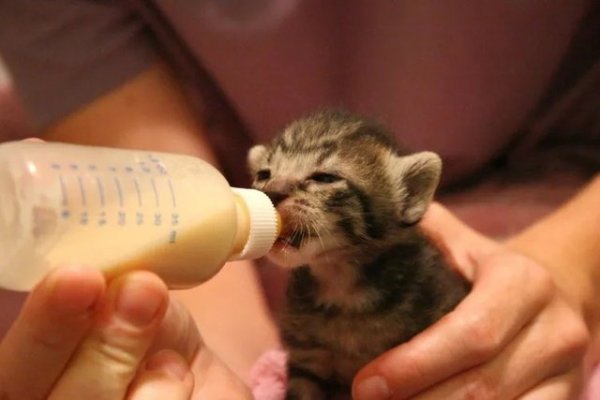
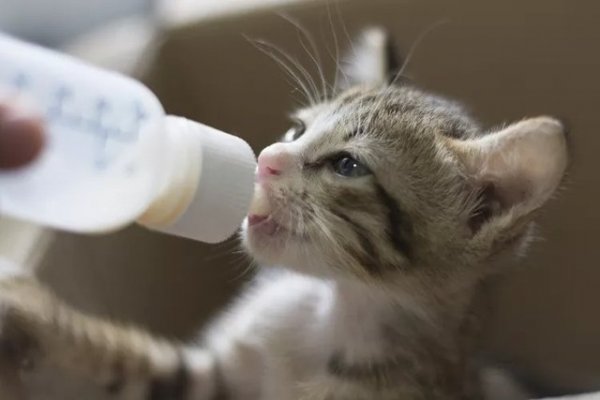
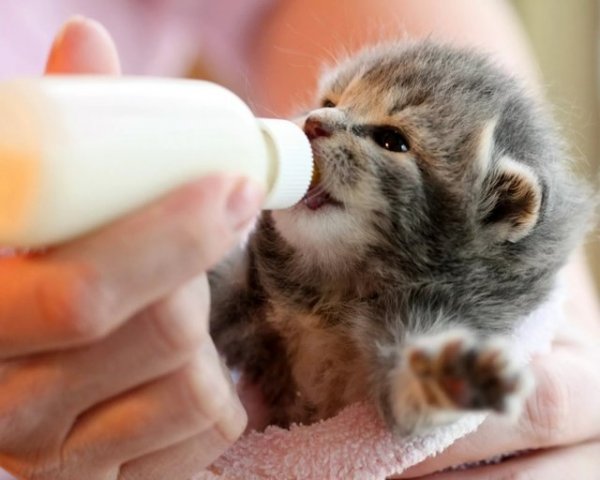
If the mother cat dies during birth, is too ill to care for her litter, or if the kittens are abandoned, human intervention becomes necessary. Shelters often use a foster lactating cat to nurse and socialize the kittens, or they may bottle-feed with commercial kitten milk replacement formula. While these methods can provide essential nutrition, they cannot fully replicate the mother's role. Cats teach their young important skills—such as grooming, using the litter box, and hunting—that humans cannot easily duplicate. Bottle-fed kittens demand a significant time commitment, including frequent feeding, stimulation for elimination, and cleaning.
Kittens separated from their mother too early are at risk for both health and behavioral issues. Beyond the physical risks, early separation can impair a kitten's ability to socialize with other cats and adapt to a new environment. Without the calming pheromones and lessons from the mother, kittens may develop problems like rough play, failure to bury waste, or difficulty grooming. They may also become fearful, skittish, or aggressive toward humans and other animals. These challenges can be mitigated with extra time and patience from the new owner, but the ideal is to avoid them altogether.
Optimal Adoption Age
Most experts recommend that kittens go to their new homes around 12 weeks of age. While some kittens may leave earlier, waiting until 12 to 13 weeks significantly improves the chances of a healthy, well-adjusted adult cat. This extra time allows the kitten to complete weaning, receive essential nutrients, and learn vital social behaviors from its mother and littermates. Adopters who wait will likely find the transition smoother and the kitten better prepared for its new life.
In summary, the 12- to 13-week mark is not arbitrary—it is a developmental milestone that supports both physical and behavioral health. For those considering adopting a kitten, patience during these early weeks pays off in the long run.
Kittens should remain with their mother for 12 to 13 weeks to ensure proper physical and behavioral development. Early separation can lead to health issues and behavioral problems. This article outlines the weaning timeline and what to do if the mother is absent.





Leave a Comment