Cat Life Stages: From Kitten to Senior, What Owners Need to Know

The journey from a kitten's first breath to a senior cat's golden years unfolds in three distinct chapters, each with its own nutritional, behavioral, and medical demands. Recognizing these phases is not merely an academic exercise—it directly shapes how owners feed, exercise, and monitor their feline companions, potentially staving off diseases that commonly emerge later in life.
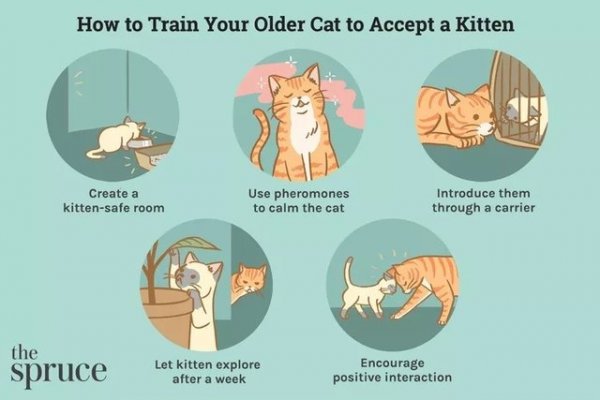
Kittens, defined as cats from birth to one year (roughly 15 human years), experience the most rapid growth of their entire lives, particularly in the first six weeks. During this window, the foundation for future health is laid through a diet of kitten-specific food—recommended for at least the first nine months—alongside routine preventive veterinary visits and early training. For newly adopted kittens of unknown parentage, an immediate veterinary examination is advised, and if other cats reside in the home, isolation until that first check-up is prudent.
First Vet Visit: What to Expect
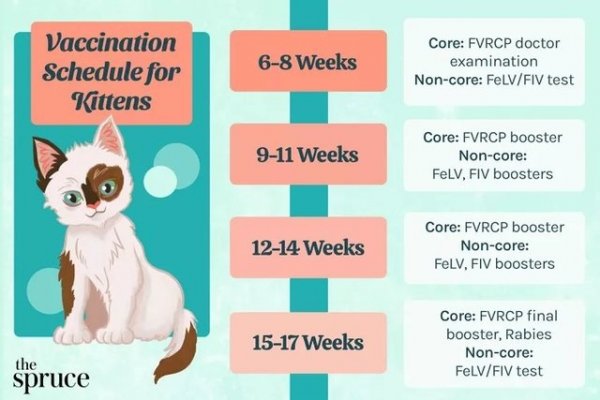
At the initial veterinary appointment, a thorough physical exam is paired with laboratory tests screening for infectious diseases that could threaten other household cats. Core vaccines, commonly referred to as "kitten shots," are typically administered, with boosters scheduled at regular intervals. Rabies vaccination often occurs around four months of age, though protocols vary based on individual risk factors. Owners should discuss their cat's anticipated lifestyle—whether indoor-only or with outdoor access—and the presence of other pets, as these factors influence vaccination and preventive care plans. The vet can also offer guidance on "kitten-proofing" the home and training strategies to encourage good behavior.
Once a cat reaches one year and until approximately age 10, it enters the maintenance years, a period marked by stabilized growth and size. While the rapid development of kittenhood has ceased, the responsibility for health does not wane. This is a critical window because early signs of age-related conditions—such as feline diabetes, arthritis, or heart disease—can first appear. Annual wellness exams, necessary vaccine boosters, and at-home monitoring of eating habits and litter box use are essential. Owners are often the first to notice subtle changes, including limping, altered litter box behavior, or shifts in appetite.
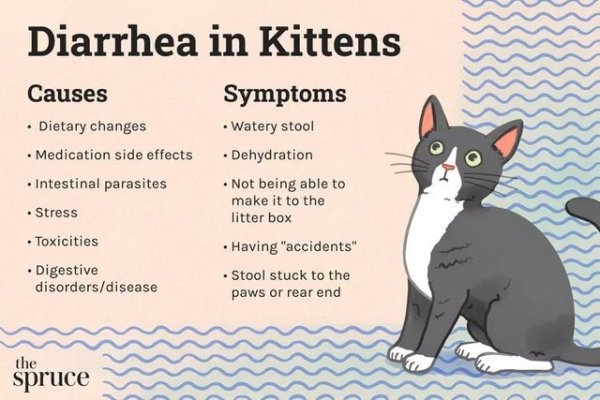
Limping or a slow gait when climbing stairs may signal arthritis or injury, warranting a veterinary visit for diagnosis and potential pain management. Peeing outside the litter box could indicate feline lower urinary tract disease (FLUTD) or a more serious urinary issue, requiring prompt attention. Similarly, diarrhea or painful constipation should not be ignored. A sudden loss of appetite, constant eating without weight gain, or increased vomiting are all red flags that merit professional evaluation, as they could point to conditions ranging from food allergies to more severe underlying illnesses.
Senior Years: When Cats Cross the Threshold
Cats are generally considered seniors at around 10 years of age, though this can vary between eight and ten years depending on individual factors. In this phase, veterinary care becomes increasingly important, as older cats are prone to chronic conditions akin to those seen in aging humans. Even healthy seniors should be seen at least twice a year, and those with existing diseases may require more frequent monitoring. Common ailments targeting senior cats include feline diabetes mellitus, hypertrophic cardiomyopathy, and feline hyperthyroidism—all of which can be managed with careful oversight, potentially improving both lifespan and quality of life.
Understanding these life stages is not just about tracking age—it's about adapting care to meet changing needs. From the intense growth of kittenhood to the subtle warning signs of adult maintenance and the chronic disease management of senior years, each phase demands a proactive approach from owners. Regular veterinary visits, attentive observation, and tailored nutrition are the cornerstones of helping cats navigate their full lifespan.
Cats progress through three distinct life phases—kitten, adult, and senior—each requiring tailored nutrition, activity, and veterinary attention. Early preventive care and routine check-ups can help detect age-related conditions early, improving long-term health outcomes.














Leave a Comment