When a Mother Cat Can't Nurse: Steps to Bottle-Feed Newborn Kittens
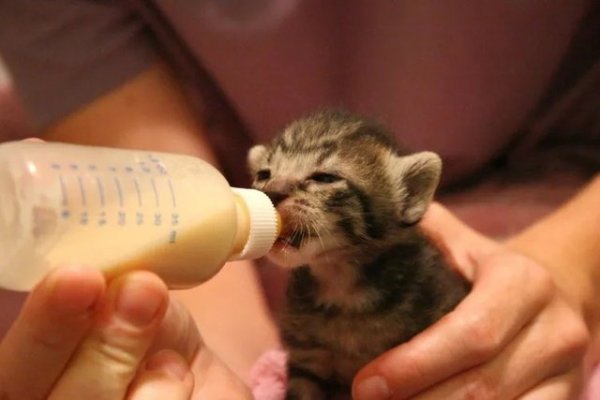
When a mother cat is unable to nurse her young due to illness or injury, or when she rejects a kitten because of a disability, the responsibility falls to the human caregiver. Bottle feeding a newborn kitten is a demanding but essential task that requires careful attention to feeding frequency, formula preparation, and post-feeding care.
Newborn kittens typically need between nine and twelve feedings per day, depending on their size and condition. For the first two weeks, feedings must occur every two hours during the day and every four hours at night, a schedule that demands round-the-clock commitment from the caregiver.
Essential Supplies and Preparation
Before beginning, gather the necessary equipment: newborn kitten bottles and nipples, a dropper for preemie kittens, commercial kitten formula, soft towels and washcloths, and a kitchen scale to monitor weight. Standard human baby bottles are usually too large, but most pet stores carry appropriately sized bottles and nipples designed for kittens.
For kittens born prematurely, a dropper may be necessary until they gain enough strength to suck from a bottle. In such cases, consulting a veterinarian is advised to ensure the kitten receives proper nutrition and care.
Formula preparation is a critical step. Bottles and nipples should be sterilized in boiling water for about five minutes and allowed to drain on a clean towel. If using a new nipple, a small hole must be made in the tip, using cuticle scissors or a similar tool, so that formula drips out slowly when the bottle is held upside down. The hole should be small enough to prevent the formula from flowing too quickly, which could cause choking.
After mixing the formula according to package directions, warm the bottle by placing it in a bowl of hot water. Test the temperature by dripping a few drops on the inside of your forearm; it should feel warm but not hot, close to body temperature.
Feeding and Post-Feeding Care
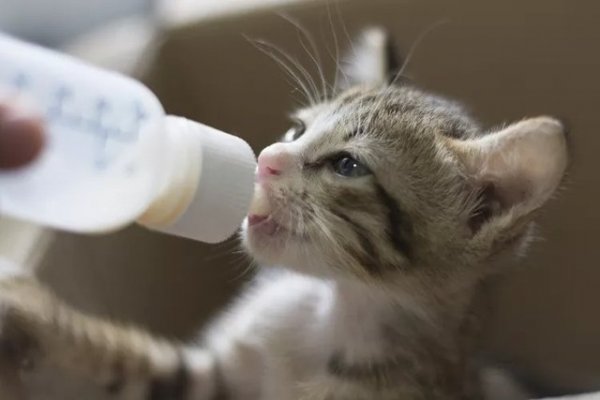
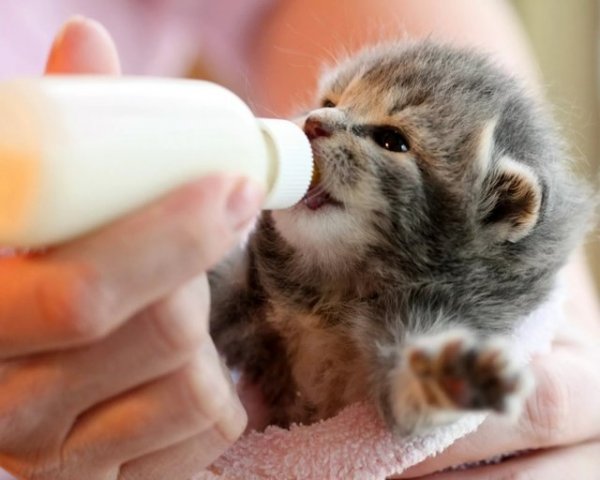
To feed, sit in a comfortable chair with a towel folded on your lap. Place the kitten face down on the towel, wrapping it to keep it warm. Without raising the kitten's head, gently insert the nipple into its mouth; the kitten should begin sucking instinctively. Continue feeding until the kitten pulls away, indicating it is full.
After nursing, kittens need to be burped, much like human babies. Hold the kitten with one hand under its abdomen and gently pat its upper back. Be careful not to be too vigorous, as this could cause vomiting. If the kitten does not burp immediately, it is not a cause for concern; simply proceed to the next step.
Mother cats stimulate their kittens' elimination by licking their genital area. To replicate this, use a warm, damp washcloth and gently wipe the same region. Avoid vigorous wiping, as it can irritate the kitten's sensitive skin. It may take a few feedings before the kitten eliminates, and urination may take even longer.
After feeding and burping, the kitten will likely fall asleep. Place it in a warm cat bed and allow it to rest undisturbed, as sleep is crucial for the kitten's growth and development.
Hand-feeding an orphaned kitten is a time-intensive process, but with proper preparation and care, caregivers can help ensure the kitten's survival until it is strong enough to transition to regular cat food.
When a mother cat is unable to nurse her litter, caregivers must step in with bottle feeding. This article outlines the necessary supplies, preparation, feeding techniques, and post-feeding care to help newborn kittens thrive.


Leave a Comment