First Six Weeks of Kitten Development: Key Milestones and Health Guidance

The initial six weeks of a kitten's life are a period of rapid growth and critical development that can shape its personality and health for years to come. During this time, kittens are particularly vulnerable to threats such as parasites and upper respiratory infections, which can escalate into fading kitten syndrome (FKS)—a severe and often fatal condition. This risk is notably higher in litters from stray or feral cats, making isolation and veterinary checks essential for foster kittens.
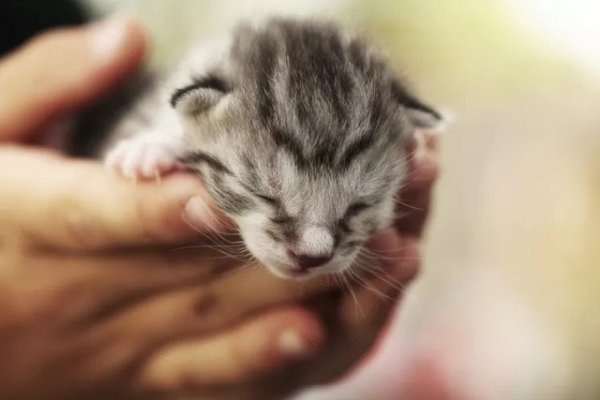
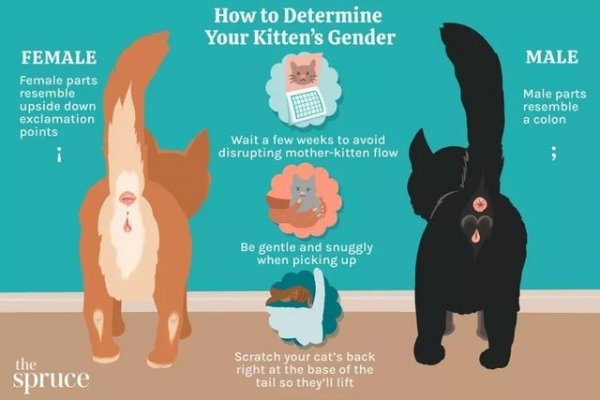
From the moment of birth, kittens undergo remarkable transformations. In the first week, they focus almost exclusively on feeding and growth, often doubling their birth weight. By the second week, their eyes begin to open, typically fully open by 9 to 14 days, though their vision remains blurry and their pupils do not yet respond readily to light. Their sense of smell also develops, and they may hiss at unfamiliar scents. During this time, determining the sex of kittens can be challenging, even for experienced veterinarians.
The third week brings significant changes: ear canals open, kittens gain voluntary control over elimination, and they start to socialize with littermates and humans, showing curiosity about their surroundings. By the fourth week, depth perception and a fully developed sense of smell are evident, baby teeth begin to emerge, and kittens walk with more confidence. They also form social bonds, sometimes creating alliances with littermates.
Introducing Solid Food and Litter Training
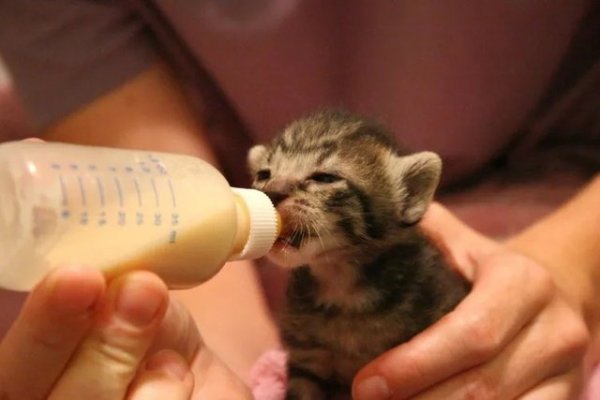
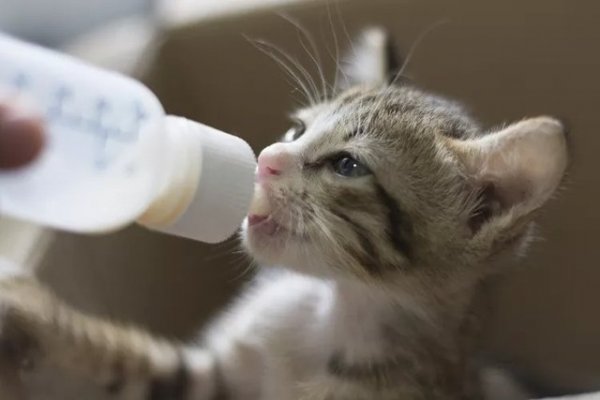
At five weeks, kittens are ready for their first taste of canned kitten food. Choosing a high-quality brand with a named meat source, such as chicken, as the first ingredient is recommended. Many breeders and rescuers feed the mother cat the same food, easing the transition for the kittens. This is also the ideal time to introduce a shallow litter box with just an inch or two of litter. If a kitten begins eating the litter, switching to a different type may help; if the behavior persists, consulting a veterinarian is advised to rule out underlying health issues.
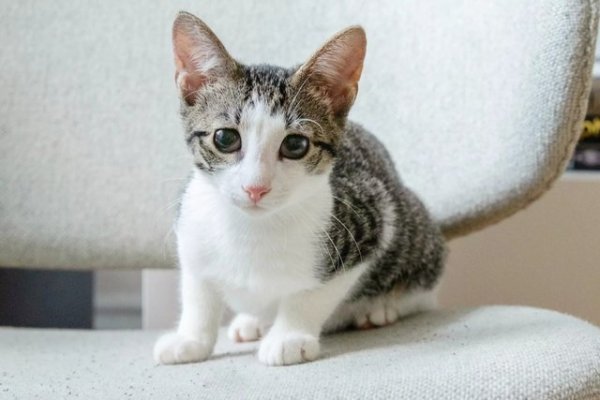
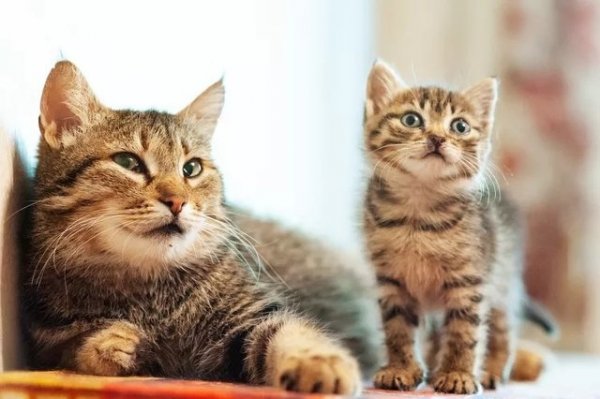
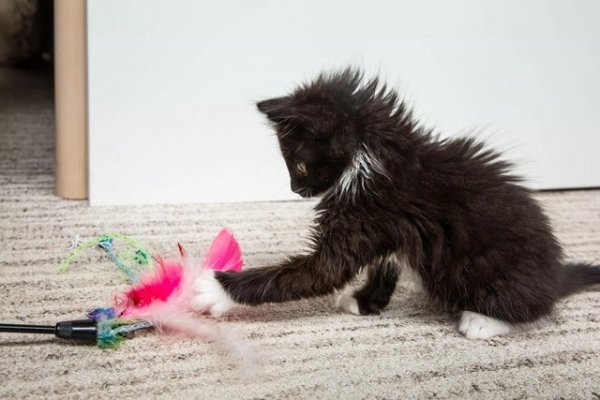
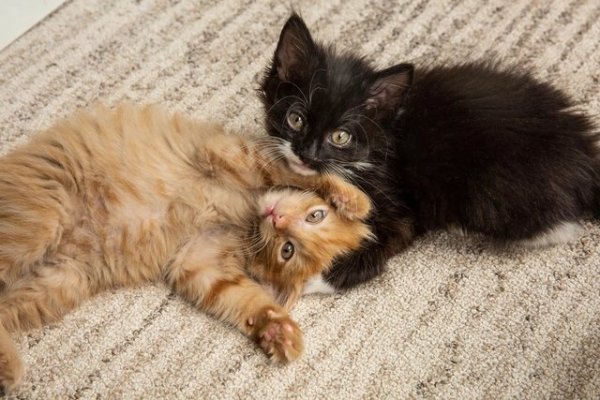
The sixth week marks a pivotal stage in socialization. Kittens are now capable of running, pouncing, and leaping, and they also need plenty of rest to support their rapid growth. Their interactions with humans are heavily influenced by their mother's comfort level. If the mother cat is at ease with people, her kittens are likely to follow suit. Conversely, kittens not accustomed to human handling by six weeks may require extensive training later, and some may never become lap cats. For feral kittens, spending time with humans before this age can improve their chances of successful adoption.
Teaching Boundaries and Preparing for Adoption
A key lesson during the sixth week is that hands are for holding, not playing. A simple plastic drinking straw can be an effective tool for this: dragging it across the floor encourages chasing, and allowing the kitten to pounce and bite it satisfies their teething needs. This helps establish positive associations with human touch.
By the end of six weeks, well-socialized and fully weaned kittens may be ready for their new homes in a couple of weeks. While the anticipation of adoption is exciting, patience is crucial. The foundation laid during these early weeks will influence the kitten's behavior and temperament for a lifetime.
The first six weeks of a kitten's life are critical for health and personality development. This article outlines weekly milestones from birth to six weeks, including feeding, sensory development, and socialization, while highlighting risks like fading kitten syndrome and offering practical tips for fostering and adoption readiness.






Leave a Comment