Kitten Development Timeline: 6 to 12 Months Guide

The period between six months and one year marks a pivotal transition in a kitten's life, as it evolves from a playful youngster into a young adult. During these months, owners will witness notable shifts in physical appearance, confidence levels, and daily routines. Understanding these changes can help ensure a smooth passage into adulthood.

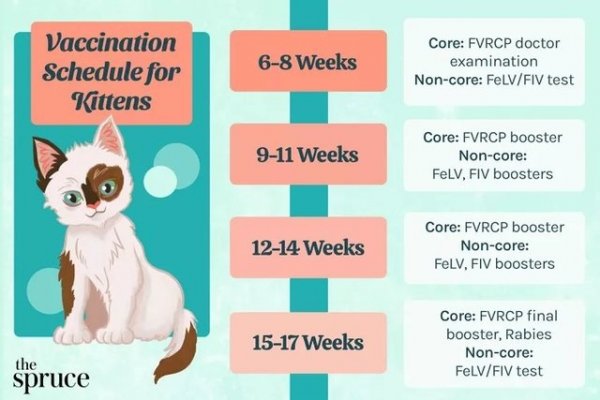
At six months, a kitten often resembles a small adult but remains physically immature. Typically, an average-sized cat gains about one pound per month, placing a six-month-old at roughly six pounds with a lanky, disproportionate body—similar to a human preteen. This is also the age when all vaccinations should be complete, and scheduling a spay or neuter becomes a priority. Sexual maturity can occur as early as six months, making these routine surgeries essential to prevent unwanted behaviors like urine spraying in males or heat cycles in females. Some kittens may still have baby teeth at this stage, and veterinarians sometimes recommend extracting remaining ones during the spay/neuter procedure.
By seven months, kittens begin to adopt adult-like sleep patterns, spending more than half the day napping. Yet, they remain playful and increasingly coordinated, with a growing confidence that encourages voluntary snuggling and social bonding. However, if a female kitten hasn't been spayed and has been around an intact male, pregnancy is a possibility, as cats can conceive as young as six months.

At eight months, confidence peaks, leading to more interactive play with other household pets. Supervision is still necessary, especially with larger animals like dogs. This is also the age when counter surfing and exploratory mischief begin, testing both human patience and household objects. Consistent, positive reinforcement—using verbal praise and treats—is more effective than force in training.
Teething and Diet Transitions
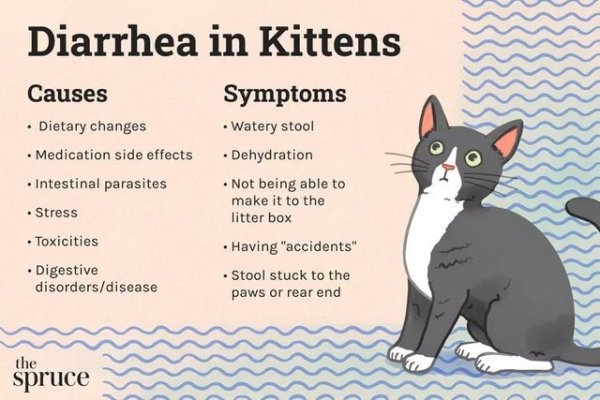
By nine months, all baby teeth should be gone, and teething ceases. However, chewing may continue as a habit, requiring owners to monitor biting behavior to prevent aggression. At ten months, the switch to adult cat food can begin. This transition should be gradual, over at least a week, to avoid digestive upset. Choosing a high-quality, meat-based adult food with the AAFCO seal ensures proper nutrition, as cats are obligate carnivores. Mixing the new food with the old, slowly increasing the proportion, helps kittens adjust without dietary-induced diarrhea.
Approaching Adulthood
At eleven months, kittens are nearly full-grown, sexually mature, and eating adult food. They still have mental maturing to do, akin to a human teenager. By twelve months, most cats are considered adults, with physical growth largely complete. From here, mental development continues, and training remains an ongoing process. Gentle, positive methods and a good scratch behind the ears go a long way in guiding a cat's habits and behaviors.
From six months to one year, kittens undergo significant physical and behavioral changes. This guide covers key milestones including spaying/neutering, teething, dietary transitions, and socialization, helping owners navigate this crucial developmental period.













Leave a Comment