Newborn Kittens Face Steep Survival Odds: What Caregivers Should Know
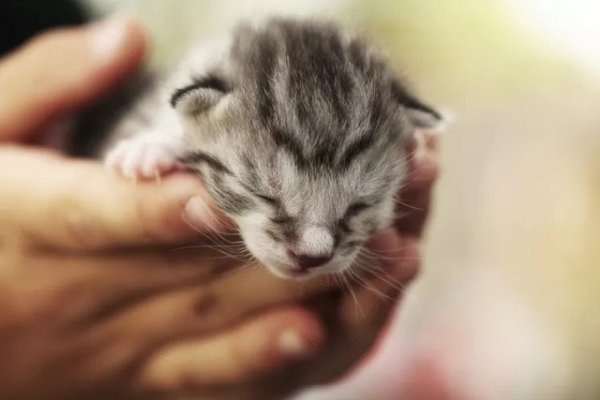
The first week of a kitten's life is the most perilous, with up to 90% of feline deaths occurring during this period. A condition known as fading kitten syndrome—clinically referred to as failure to thrive—accounts for many of these losses, often striking without warning and leaving caregivers with little time to intervene. While the syndrome can be devastating, recognizing its early signs may offer a narrow window to save vulnerable newborns.
Fading kitten syndrome is not a single disease but a collection of symptoms indicating rapid health decline in kittens under the age of weaning. Estimates suggest that 16% of kittens die before they are weaned, with many succumbing to this syndrome. Because the first and often only sign is sudden death, it has been compared to sudden infant death syndrome (SIDS) in human babies, making it a particularly heartbreaking challenge for foster families and rescuers.
Spotting the Warning Signs
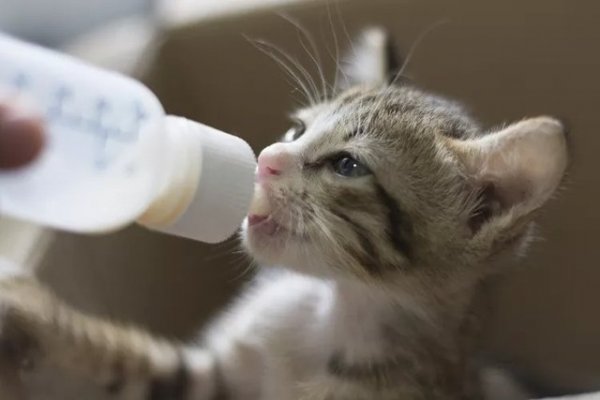
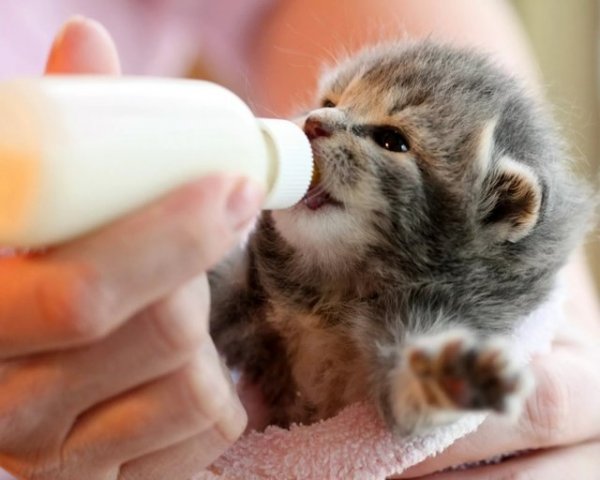
Kittens affected by fading kitten syndrome are frequently the smallest of the litter, born with low birth weight and showing less activity than their siblings. They may appear lethargic, weak, or listless, and often lack the strength to nurse effectively. Some can latch on but vomit or spit up milk, missing out on colostrum—the antibody-rich first milk that provides passive immunity during the first 72 hours of life. Without this crucial nourishment, bottle-fed kittens are at higher risk for the syndrome.
Mother cats instinctively detect weakness and may abandon a sickly kitten to focus on healthier offspring. Since newborns cannot regulate their own body temperature, abandonment or wandering from the nest can quickly lead to hypothermia, marked by pale or blue-tinged gums and lethargy. Without human intervention, this can be fatal within hours.
Why Some Kittens Fail to Thrive
The causes of fading kitten syndrome are varied and not fully understood, but several contributing factors have been identified. Queens that produce multiple litters in a single year—up to five in some environments—may suffer from malnutrition and physical strain, leading to higher rates of stillbirth, congenital abnormalities, and fading kittens, particularly in late-season litters. This underscores the importance of prenatal veterinary care for pregnant cats.
Birth defects such as cleft palate, heart defects, hydrocephalus, and cerebellar hypoplasia can also prevent kittens from thriving. Viral and bacterial infections can sweep through an entire litter, with the weakest members being most vulnerable. Additionally, neonatal isoerythrolysis occurs when the queen and kitten have incompatible blood types, causing the mother's antibodies to destroy the kitten's red blood cells. Flea infestations can lead to severe anemia or tapeworm transmission, and kittens are generally susceptible to protozoal infections, intestinal worms, and tick-borne diseases.
Immediate Steps and Treatment
Any sign of illness in a newborn kitten warrants immediate veterinary attention. A vet may request an examination of the entire litter and mother, and may run tests for infections or parasites. Diagnosis is typically based on observed symptoms such as lethargy, lack of nursing, or difficulty breathing. Treatment may involve medications for infections, fluid therapy for dehydration and hypothermia, and supportive care. However, the prognosis is guarded; most fading kittens die within hours to days of symptoms appearing, even with treatment.
Prevention remains elusive due to the syndrome's mysterious nature, particularly in feral populations. Keeping a pregnant cat healthy through proper nutrition and veterinary check-ups is the best strategy to give kittens a fighting chance. For those who experience the loss of a fading kitten, the focus should shift to ensuring the mother and remaining litter are healthy and thriving.
Fading kitten syndrome, also known as failure to thrive, is a leading cause of death in newborn kittens, with the highest mortality occurring in the first week of life. This article outlines the signs, causes, and emergency steps for caregivers, emphasizing the importance of early veterinary intervention.










Leave a Comment