Why Kittens Turn Aggressive and How to Redirect Their Hunting Instincts

When a kitten pounces from behind the sofa or sinks its teeth into an unsuspecting hand, the behavior often stems from instincts inherited from wild ancestors. While such attacks are rarely life-threatening, they can be painful and carry a risk of infection, prompting many owners to seek ways to curb the behavior. Understanding the root causes—fear, curiosity, or territoriality—is the first step toward effective intervention.
Kittens, like their larger feline relatives, are hardwired to stalk and hunt. A moving hand or foot can trigger an automatic predatory response, making the appendage seem like prey. In multi-cat households, aggression may also surface when a kitten perceives a threat to its territory, such as a new child or another pet. Maternal aggression, where a mother cat defends her litter, is another common scenario, though it is typically situational and not persistent.
Recognizing the signs of aggression is crucial. Cats about to lunge often exhibit a combination of stealthy movements, an alert stance, and a twitching tail. Some may meow or swat their tails, while others engage in bluffing—arching their backs to appear larger without actually attacking. These signals can help owners anticipate and interrupt an outburst before it escalates.
Owners are the most frequent targets of kitten aggression, especially those without other feline companions. Movement alone—such as walking or picking up an object—can trigger an attack. Play that starts innocently can quickly turn into biting and scratching when the kitten becomes overstimulated. Hand-raised kittens and those weaned early are particularly prone to this behavior, and they may also target shy cats or smaller pets in the household.
Why Early Training Matters
While kitten aggression is often manageable, allowing it to persist into adulthood can pose risks, especially if the cat directs predatory behavior toward small children or other pets. Older cats can inflict serious injuries, making it essential to address the issue before it becomes ingrained.
The first step in addressing aggression is a veterinary checkup. Medical conditions such as hyperthyroidism, dental disease, or central nervous system disorders can cause sudden behavioral changes. Once a clean bill of health is given, owners can focus on behavior modification, keeping in mind that cats do not respond to aversion therapy the way dogs might. Patience is key.
Practical Steps to Curb Aggression
Several strategies can help redirect a kitten's energy into healthy play. Placing a bell on the kitten's collar alerts others to its presence, giving small children or other pets time to avoid an ambush. During an attack, a water gun, citronella spray, or a hiss of air from an aerosol can may interrupt the behavior; experimenting with these tools helps find what works for the individual cat.
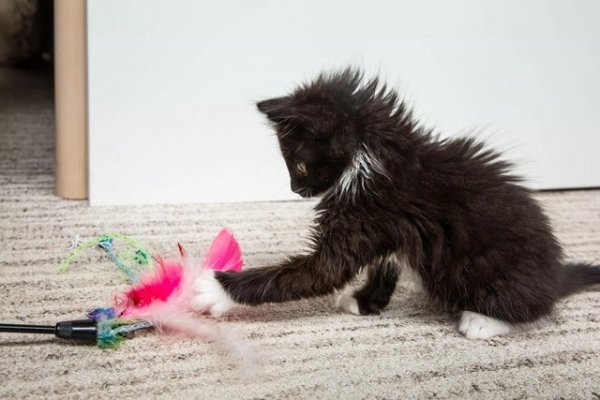
Using a harness and leash provides physical control, allowing an owner to stop an attack by stepping on the leash. Interactive play is another effective outlet—moving toys vertically across the kitten's field of vision, rather than toward or away, sparks the most interest and helps build confidence. Establishing a regular play schedule also sets expectations, reducing spontaneous outbursts.
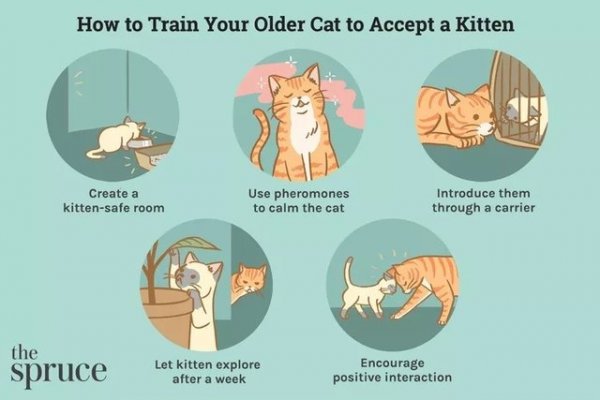
Spaying or neutering before the first birthday can significantly reduce aggression between cats, particularly in mixed-sex households. For single kittens, introducing a second cat of similar age and temperament can provide a playmate that teaches bite and claw inhibition, though proper introductions are essential.
With consistent effort and a focus on understanding feline behavior, owners can guide their kittens toward more appropriate play, ensuring a safer and more harmonious home environment.
Kittens often display aggression rooted in hunting instincts or fear, which can lead to painful scratches and bites. Understanding the triggers and using structured play, environmental cues, and early neutering can help owners curb these behaviors effectively.












Leave a Comment