When Mother's Milk Is Absent: DIY Kitten Formula Guide
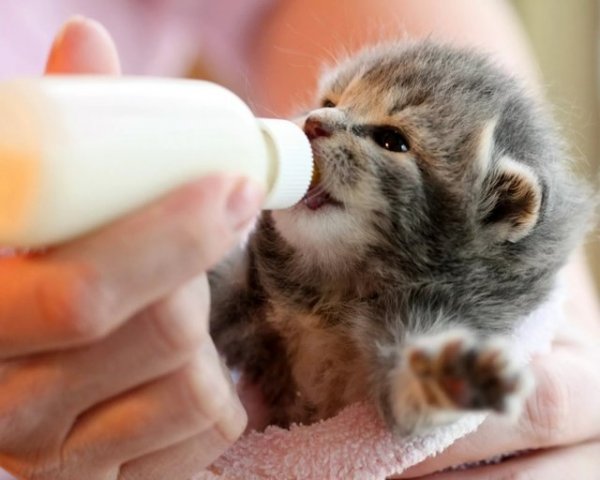
When a mother cat is unable to nurse her litter, or when a rescue brings in orphaned newborns, caregivers face an immediate challenge: providing nutrition that mimics mother's milk. While commercial kitten milk replacer is the preferred option, there are times when it's not available. In such cases, homemade formulas—often called "kitty glop" by breeders—can serve as a temporary solution.
This guide, drawing on recipes from The Cornell Book of Cats by the Cornell School of Veterinary Medicine, offers practical instructions for creating a milk substitute at home, along with feeding guidelines for newborn kittens.
Homemade Formula Recipes
The Cornell recipes use common kitchen ingredients and are designed to be used for no more than 24 hours once prepared. The first recipe requires one quart of whole goat's milk, a teaspoon of light Karo syrup, a tablespoon of nonfat plain yogurt (preferably goat's milk), and one egg yolk. Unflavored gelatin is added in varying amounts depending on the kitten's age: one package for newborns up to one week, one and a half to two packages for the second week, two and a half to three for the third week, and four packages for the fourth week.
To prepare, heat the goat's milk in a saucepan, stir in the gelatin appropriate for the kitten's age, and warm just until the gelatin dissolves. Remove from heat, mix in the remaining ingredients, and refrigerate. The mixture will keep for up to a week in the fridge.
Another simple recipe combines eight ounces of homogenized whole milk, two egg yolks, a teaspoon of salad oil, and an optional drop of liquid pediatric vitamins. Mix well and keep refrigerated.
A third option uses evaporated milk: mix one part boiled water with five parts evaporated milk, add half a teaspoon of bone meal per 16 ounces of fluid, one egg yolk, and two tablespoons of corn syrup. Store in a tightly sealed jar in the refrigerator. At feeding time, combine half of the estimated feeding amount with an equal amount of boiling water. Once a day, add one drop of liquid human infant vitamins to each kitten's portion.
Feeding Newborn Kittens
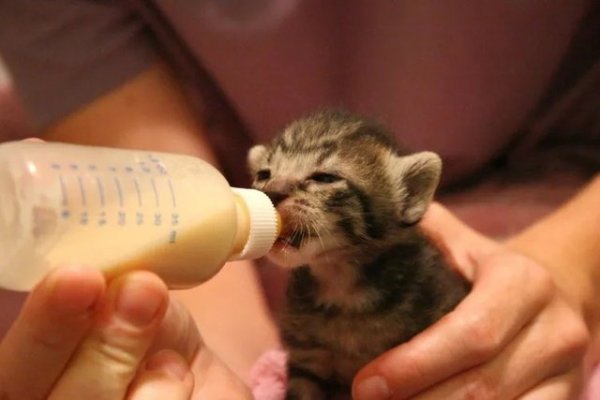
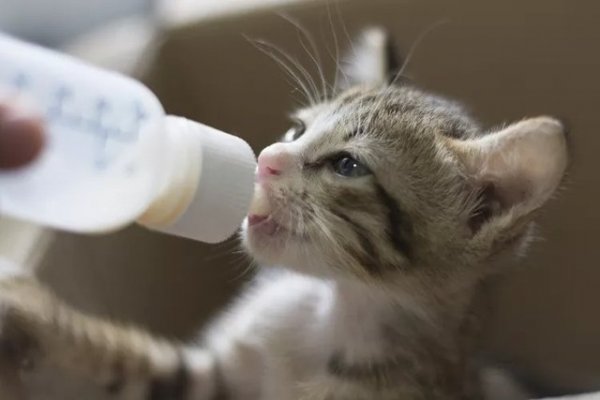
Bottle feeding requires specialized equipment. Tiny baby bottles with small nipples, available at pet stores or online, are ideal because they hold small amounts of formula and are easy to handle with a small kitten. If a bottle isn't available, a needleless syringe can be used, especially if the kitten refuses the bottle. Oral syringes from a pharmacy work well.
Before feeding, warm the formula—whether homemade or store-bought—and test a few drops on your wrist. It should feel slightly warm or even cool, never hot. Avoid microwaving the formula; instead, place the bottle or syringe in a bowl of hot water to heat it. Once the temperature passes the skin test, you're ready.
Position the kitten on its belly, a natural feeding posture, and offer warm formula every three to four hours until the kitten begins weaning to solid food. The daily intake should be about 8 milliliters of formula per ounce of body weight. For example, a four-ounce kitten needs about 32 milliliters per day, which can be divided into 8-milliliter feedings every four hours.
If constipation occurs, a single drop of vegetable oil can be added to each kitten's formula, but no more than once daily, until the issue resolves.
When a mother cat can't nurse, homemade kitten formula can be a lifesaver. This guide offers recipes from Cornell University's veterinary school, plus tips on feeding schedules and bottle techniques for newborn kittens.


Leave a Comment