Kitten Feeding Milestones: What to Expect in the First Eight Weeks
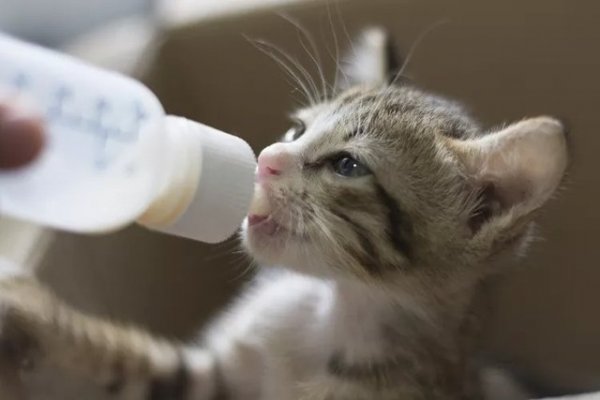
In the first eight weeks of life, a kitten's nutritional requirements shift dramatically, demanding careful attention from caregivers. From relying solely on maternal milk to transitioning to solid food, each week brings new milestones that directly impact growth and long-term health. Understanding this timeline is essential for anyone raising a kitten, whether with a mother cat or through bottle-feeding.
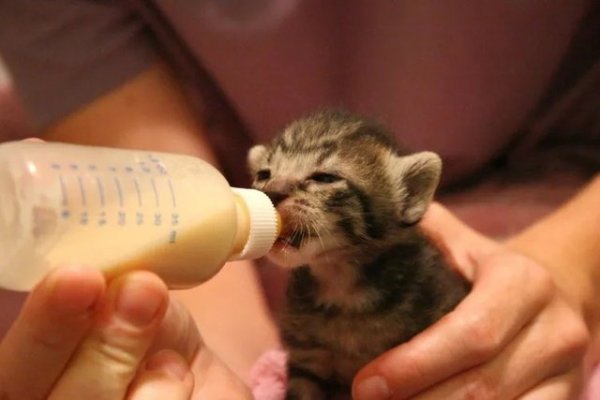
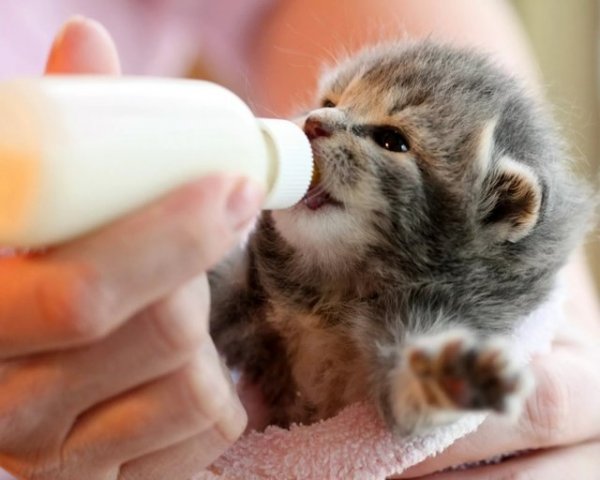
At birth, a typical kitten weighs between 3 and 3.7 ounces, and its eyes and ears are sealed shut. For the first week, it depends entirely on its mother's milk, nursing for about 45 minutes every two to three hours. The rest of the time is spent sleeping. If the mother is absent, ill, or rejects the kitten, bottle-feeding becomes necessary, with each meal consisting of about 15 milliliters (one tablespoon) of special kitten formula. Regular weighing with a gram scale is crucial to ensure the kitten is gaining weight at a healthy rate, reaching approximately 4 ounces by the end of the first week, when the ear canals begin to open.
Weeks Two and Three: Rapid Growth and Early Mobility
Between days eight and eighteen, a kitten's weight should climb to about 10 ounces, and its eyes will open, allowing it to begin crawling. During weeks two and three, feeding every two to three hours remains the norm, with each bottle-fed meal containing at least half a tablespoon of formula. For nursing kittens, weight gain is the primary indicator of adequate intake. By the end of week three, kittens can stand and start interacting with littermates—playing, ear-biting, and wrestling—which are vital for socialization.
As kittens approach weeks four and five, feeding frequency begins to decrease. By the end of week five, they should nurse only three times a day, consuming about three tablespoons of milk or formula per meal. At this stage, a healthy kitten weighs between 14 and 16 ounces. Toward the end of week five, caregivers should start offering food from a saucer, gradually transitioning from liquid to a thicker gruel by mixing canned kitten food with decreasing amounts of water over a couple of weeks. This messy phase is a necessary step in weaning, even though kittens often end up walking in their food.
Week Six: Introducing Solid Food
By six weeks, kittens should eat gruel four times a day, with nursing sessions becoming less frequent. The gruel should become less watery, and dry kitten food, along with a bowl of fresh water, can be introduced. However, dry food alone is not ideal for cats, as they often do not drink enough water; wet food is a better long-term option. At the end of week six, reduce meal times to three times a day. If multiple kittens are present, provide several bowls of both canned and dry food to prevent food aggression, and always keep fresh, flowing water available.
Weeks Seven and Eight: Weaning and Preparation for Independence
Limited nursing should continue until kittens are two months old, as long as they are also eating kitten food three times a day. The mother may need to be separated from kittens that try to nurse excessively. By the end of week eight, a kitten should weigh about two pounds, thanks to a combination of reduced nursing and regular kitten food consumption.
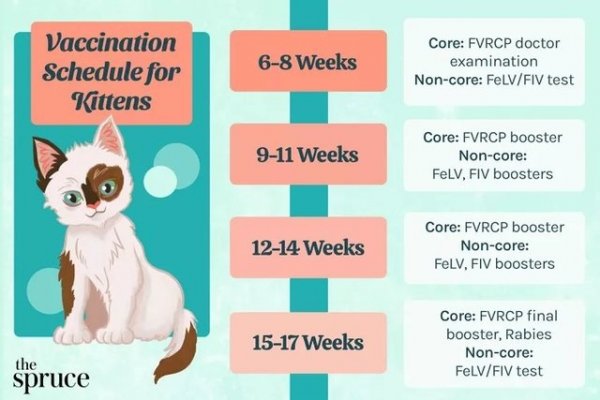
After eight weeks, kittens can be fed normal kitten food twice a day, and solid food should be no issue. They may still attempt to nurse occasionally, but by eight to ten weeks, they should be fully weaned and ready to leave their mother if rehoming is planned. This is also the typical age for the first vaccinations, making a vet visit an opportunity to confirm that growth is on track.
A kitten's nutritional needs evolve rapidly from birth to two months, with specific feeding frequencies and portion sizes at each stage. This article outlines the weekly milestones, from nursing and bottle-feeding to the gradual introduction of solid food, helping caregivers ensure healthy growth.











Leave a Comment