A New Kitten's Vaccine Schedule: What to Expect at the Vet
Bringing home a new kitten is an exciting time, but it also comes with the responsibility of protecting her from preventable diseases. A well-timed vaccination series is one of the most effective ways to ensure your kitten grows into a healthy adult cat. Here’s what new owners need to know about the typical vaccine timeline and the diseases these shots guard against.
Kittens are born with immature immune systems, making them vulnerable to infections. They receive temporary protection from antibodies in their mother’s colostrum, but this immunity fades unpredictably within a few weeks. Because there’s no way to know exactly when a kitten becomes susceptible, veterinarians administer vaccines in a series of boosters to ensure coverage.
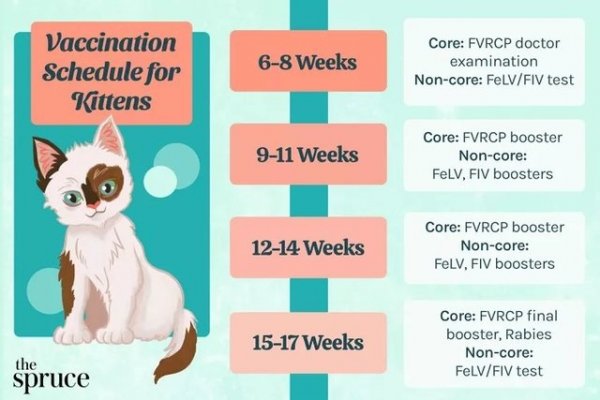
The vaccination schedule typically begins at 6 to 8 weeks of age and continues every three to four weeks until the kitten is about 16 to 20 weeks old. At the first visit, the vet will perform a physical exam and discuss the schedule, along with other preventive care like deworming and parasite prevention. It’s important to note that vaccines should not be given to a kitten with a fever or illness, as they may be ineffective and could worsen the kitten’s condition.
Core Vaccines: The Essentials
Core vaccines are considered essential for all kittens and adult cats, regardless of lifestyle. The two main core vaccines are rabies and FVRCP. Rabies is a fatal virus that can also affect humans, and vaccination is often required by law. Most vets recommend the first rabies shot around 16 weeks of age, with boosters every one to three years.
FVRCP stands for feline viral rhinotracheitis, calicivirus, and panleukopenia. These viruses cause upper respiratory infections and panleukopenia—a highly contagious and often fatal disease that attacks rapidly dividing cells. The FVRCP vaccine is typically given at 6 to 8 weeks, with boosters every three to four weeks until around 16 weeks.
Non-Core Vaccines: Based on Risk
Non-core vaccines are recommended based on a kitten’s exposure risk, such as outdoor access or geographic location. One common non-core vaccine is FeLV (feline leukemia virus), which is often considered core for cats under one year old. Kittens usually receive their first FeLV shot between 9 and 11 weeks, with a booster three to four weeks later. Feline leukemia is spread through social contact and can lead to cancer and immune disorders.
Another non-core vaccine, FIV (feline immunodeficiency virus), is no longer available in North America. It was previously recommended only for cats at high risk of exposure, typically through bite wounds. While many FIV-positive cats live normal lives, the virus can cause immune dysfunction in others.
Risks and Reactions
Vaccine reactions are uncommon and usually mild, such as soreness at the injection site, lethargy, or a slight fever. Severe allergic reactions are rare but can be life-threatening; signs include hives, facial swelling, vomiting, diarrhea, or difficulty breathing, and require immediate veterinary attention. A small lump at the injection site is common, but any mass that persists for more than three months, grows larger than two centimeters, or increases in size after a month should be evaluated.
There is also a very rare risk of injection-site sarcomas, a type of tumor, which is why vaccines are often given low on the limbs to allow for surgical removal if needed. Autoimmune disorders are another extremely rare possibility. Despite these risks, most veterinarians agree that the benefits of vaccination far outweigh the potential downsides, especially for young kittens.
After the initial series, adult cats may not need annual boosters for all vaccines; many are now recommended every three years. However, routine check-ups remain important, typically on an annual basis. For new owners, the key takeaway is to follow the vet’s recommended schedule and keep the kitten away from unknown animals until fully vaccinated.
New kitten owners should prepare for a series of vaccinations starting at 6–8 weeks of age, with boosters every 3–4 weeks until 16–20 weeks. Core vaccines protect against rabies and FVRCP, while non-core options like FeLV depend on lifestyle. Understanding the timeline and potential side effects helps owners navigate their kitten's first months.




Leave a Comment