Safe Play for Kittens: Avoiding Household Hazards and Building Good Habits
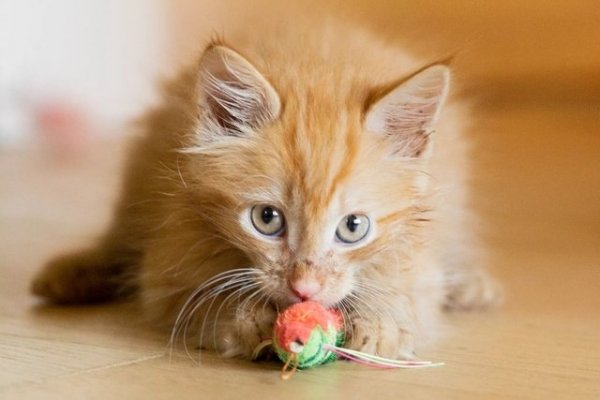
Kittens are naturally curious and energetic, but their playful exploration can sometimes lead to dangerous situations. A stray twist tie or a loose button might seem harmless, yet these small items can become serious health risks if a kitten swallows them. Understanding the role of play in a kitten's development and taking simple precautions can help new cat owners create a safe environment.
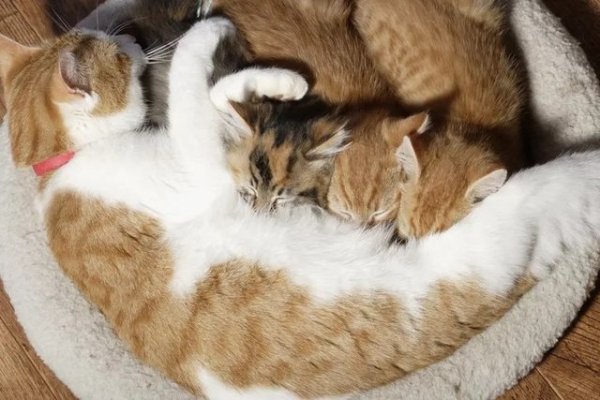
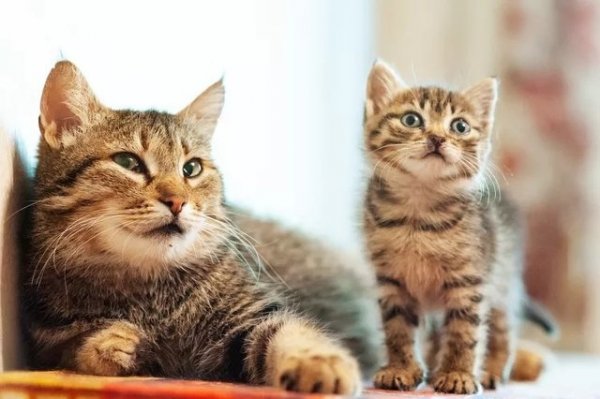
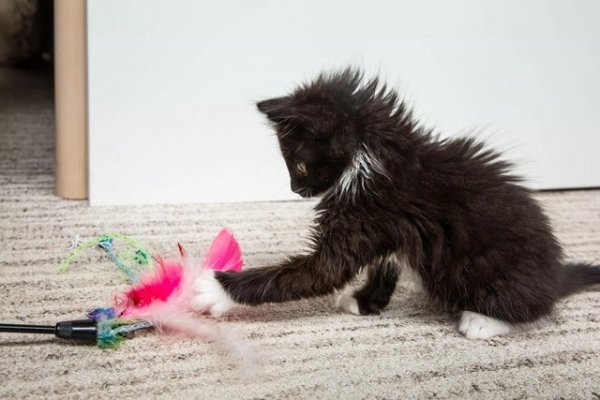
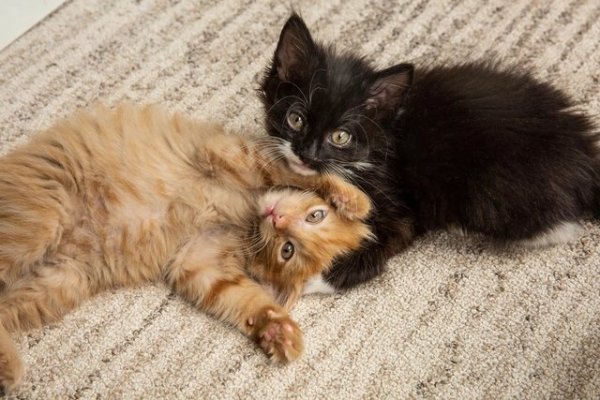
Play is not just fun for kittens; it is a critical part of their development. Through play, kittens learn essential survival skills such as stalking, pouncing, and chewing. When they wrestle with littermates, they discover how to moderate their bite and understand social boundaries. This interaction with their mother and siblings helps them develop self-control, which is vital for getting along with other cats and people later in life. Without these early experiences, kittens may grow up to play too roughly, biting or scratching during play, and may struggle with social interactions.
Beyond social skills, play also affects brain development. A review in the American Journal of Play noted that play behaviors influence the neocortical executive control regions of the brain, which are linked to decision-making and memory. This underscores that play is not merely a pastime but a foundation for a kitten's cognitive health.
Everyday Items, Hidden Dangers
Kittens are drawn to small objects that they can bat around and mouth. Common household items such as twist ties, yarn, hair ties, buttons, coins, staples, bottle caps, and rubber bands are particularly appealing. These objects can easily fall within a kitten's reach, and owners may not realize they are missing until they see their pet playing with them. If a kitten chews on or ingests such an item, it becomes an immediate concern and should be removed from the kitten's access.
If a kitten swallows a foreign object, veterinary intervention may be necessary. In some cases, the object can be removed via endoscopy or by inducing vomiting, but surgery is often required for problematic items. Symptoms that a kitten has ingested something harmful include unproductive vomiting, loss of appetite, a painful abdomen, decreased activity, and changes in bowel movements. These signs may not appear immediately, so vigilance is key. To prevent such incidents, owners should regularly scan their floors and low surfaces for small items that a curious kitten might find.
Safe Homemade Toy Alternatives
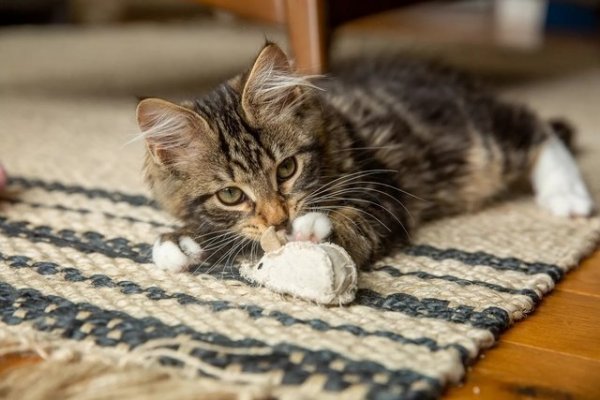
Instead of letting kittens play with risky household objects, owners can create safe toys from common recyclable items. Cardboard toilet paper rolls, empty tissue boxes, and packing tape rolls are large enough that they cannot be swallowed, yet they provide hours of batting and pouncing fun. Similarly, plastic bottle caps, ping-pong balls, drink coasters, and small empty plastic pill bottles are safe for play, as they are too large to fit in a kitten's mouth.
For a simple DIY toy, wadding up a paper towel, tissue, or a piece of aluminum foil can keep a kitten entertained. However, these should only be used under supervision, as kittens might tear off and ingest small pieces. By choosing safe toys and removing hazards, owners can ensure that playtime is both fun and safe, supporting their kitten's development without unnecessary risks.
Kittens learn crucial life skills through play, but everyday objects like twist ties and yarn can pose serious risks if swallowed. This article outlines the importance of appropriate play behavior, the dangers of common household items, and safe alternatives for homemade toys.

Leave a Comment