Kitten Diarrhea: When to Worry and How to Respond
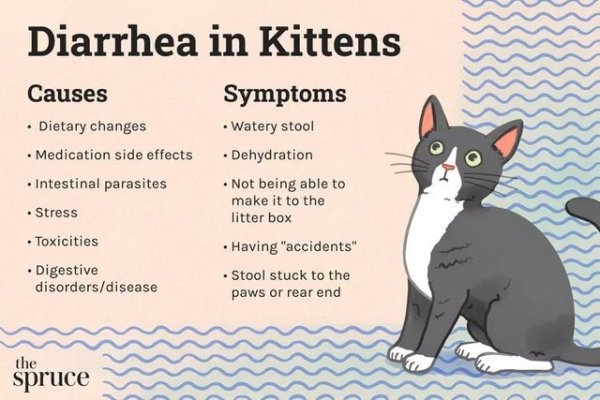
Kitten diarrhea is a frequent concern for new pet owners, and while it can be a passing issue, it may also point to a more serious underlying condition. Recognizing the warning signs and knowing when to call the vet can make a critical difference in your kitten's health.
Loose or watery stools are not just messy—they can lead to rapid dehydration, especially in young felines. If the diarrhea persists for more than two days, or if your kitten shows signs of lethargy, vomiting, or a loss of appetite, veterinary attention is essential.
Common Culprits Behind Kitten Diarrhea
Several factors can trigger digestive upset in kittens, ranging from dietary indiscretions to infectious diseases. One of the most common causes is a sudden change in food. While a slow transition over about a week can help, some kittens may have a food allergy or sensitivity to certain ingredients, leading to ongoing issues.
Kittens are naturally curious and may eat things they shouldn't, such as dog food, human snacks, or even cow's milk, which is hard for them to digest. In more serious cases, they might ingest non-food items like string, which can cause a dangerous intestinal blockage, accompanied by vomiting and a refusal to eat.
Intestinal parasites, commonly known as worms, are another frequent cause. These organisms irritate the intestinal lining, leading to diarrhea. While you might not see the worms themselves, a veterinarian can run tests to detect their presence.
Medications, including antibiotics and pain relievers, can also disrupt a kitten's digestive system as a side effect. If your kitten is on any medication and develops diarrhea, it's important to inform your vet, who may adjust the dose or switch to a different drug.
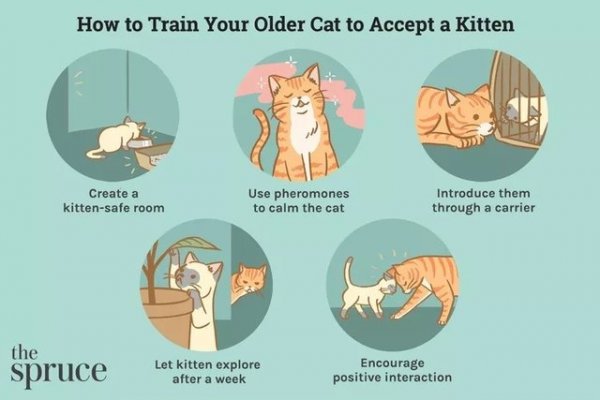
Stress is another factor that can affect kittens, just as it does humans. Moving to a new home, encountering unfamiliar pets or children, or any sudden environmental change can trigger a 'fight or flight' response that manifests as diarrhea.
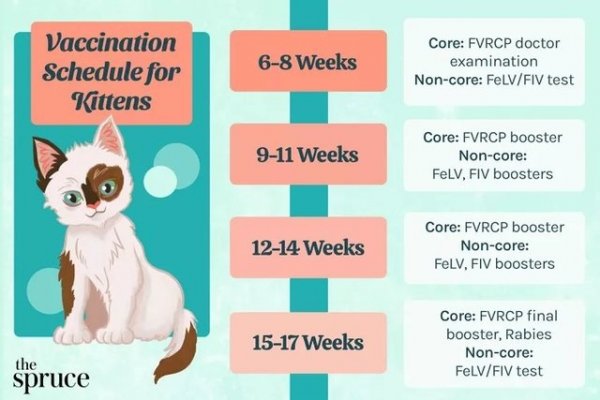
Infectious diseases, such as panleukopenia, feline immunodeficiency virus, and feline leukemia, are serious concerns, especially for kittens exposed to other cats. Vaccinations offer protection, but kittens are not fully immunized until they complete their booster series.
Recognizing the Warning Signs
Beyond the obvious loose stools, diarrhea in kittens is often accompanied by other symptoms. Vomiting, blood or mucus in the stool, poor appetite, and noticeable weight loss are red flags. Dehydration is a major risk, and you may notice your kitten becoming weak or lethargic.
Kittens with diarrhea may also have accidents outside the litter box or get stool stuck to their fur, which can be a sign they are not feeling well. If any of these signs appear, or if the diarrhea lasts for two or more days, a vet visit is warranted. Your vet may ask for a stool sample to help diagnose the cause.
Treatment and Prevention Strategies
Treatment for kitten diarrhea depends on the underlying cause. Your vet may recommend anti-diarrheal medications safe for kittens, an increase in dietary fiber, a bland diet, or deworming if parasites are found. In cases of dehydration, fluid therapy—given intravenously or under the skin—may be necessary.
Prevention is often the best medicine. Regular fecal checks at your kitten's vaccine visits can catch parasites early. Monthly preventatives for fleas, ticks, and worms can reduce the risk of both disease and stress-related diarrhea.
When changing your kitten's food, do so gradually over a week. If your kitten is on antibiotics, ask your vet about probiotics to help maintain healthy gut bacteria. And to ease stress, consider using calming pheromone products like Feliway in your home.
Ultimately, being observant and proactive is key. Diarrhea in kittens is not something to ignore, but with timely care and preventive measures, most kittens recover quickly and go on to lead healthy lives.
Kitten diarrhea can signal serious health issues, from parasites to infections. Learn the common causes, warning signs, and when to seek veterinary care to protect your young cat's health.

Leave a Comment